
Highlights
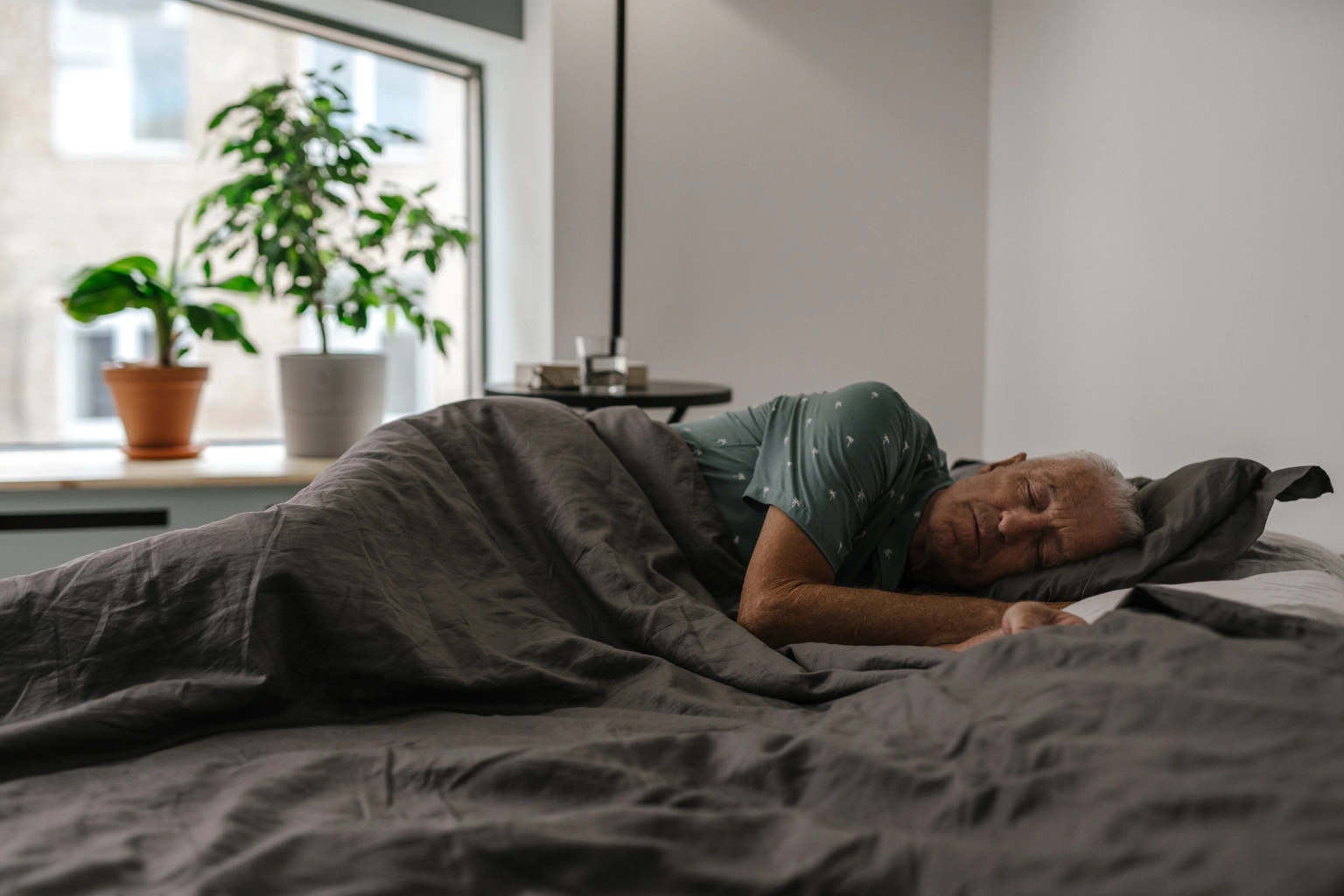
Good sleep isn’t a luxury, though it can certainly feel like one as you get older. For older adults, quality rest is deeply connected to physical health, mental sharpness, and everyday mood. Yet a good night’s sleep becomes harder to come by with age. Insomnia creeps in. You wake up at 3 a.m. for no obvious reason. You feel tired all day but wide awake the moment your head hits the pillow.
Sound familiar? You’re not alone. Sleep and aging go hand in hand in ways that can feel frustrating, but the good news is that one of the most effective tools for better sleep is also one of the most accessible: regular exercise. This guide breaks down the 8 best exercises to help you sleep, when to do them, and how to build a routine that actually sticks. Whether you’re dealing with insomnia and sleep disruptions or simply want to improve your sleep quality, these exercises to help you sleep better are a great place to start.
Sleep and aging are deeply intertwined. Aging changes a lot of things, and sleep is no exception. Nearly 50% of older adults deal with insomnia at some point, and that’s not a small number. Sleep disorders like insomnia affect daily functioning in significant ways, and conditions like restless legs syndrome can seriously disrupt sleep cycles, leaving people feeling exhausted and irritable the next day, even if they technically spent eight hours in bed.
There’s also the matter of circadian rhythms. As we age, our internal body clock shifts, often making us feel sleepy earlier in the evening and wide awake earlier in the morning. These natural changes can throw off sleep patterns in ways that feel frustrating and hard to control. Poor sleep habits that develop over time can compound these issues, making it even harder to get enough sleep each night.
Sleep deprivation in older adults is more than just an inconvenience. Lack of sleep is linked to increased risk of falls, cognitive decline, and worsening of chronic health conditions. Understanding that these challenges are real and common is the first step. The second step is doing something about it. For a thorough overview of how these issues develop, this guide to sleep issues in the elderly covers the topic in helpful detail.
Physical exercise has a surprisingly powerful effect on sleep quality. Research consistently shows that regular exercise helps regulate sleep patterns, lifts mood, and reduces anxiety. All of those things add up to better rest. The connection between exercise and sleep is well established in clinical literature, with studies demonstrating that the bidirectional relationship between exercise and sleep quality means improvements in one area tend to support the other.
A landmark study published in JAMA Network Open found that exercise improves self-reported sleep quality in adults, with participants reporting fewer sleep problems and better overall sleep quality after beginning a structured exercise program. When seniors stay physically active, they tend to experience deeper, more restorative sleep. Exercise also helps ease symptoms of depression and anxiety, which are themselves major contributors to poor sleep. It’s not magic; it’s just biology working in your favor.
More recent research published in Frontiers in Public Health further confirms that both aerobic and resistance exercise produce measurable improvements in sleep quality in older adults, with particular benefits seen in those managing sleep disorders like insomnia and sleep apnea.
Walking is one of the simplest and most effective exercises to help you sleep better. As a form of moderate aerobic exercise, it stimulates endorphin release, reduces stress hormones, and helps regulate your body’s natural sleep-wake cycle. The effect of exercise on sleep quality is well-documented for aerobic activities like walking, making it an ideal starting point for older adults with insomnia or general sleep problems.
Aim for 20 to 30 minutes of brisk walking most days of the week. Morning walks are particularly beneficial for resetting your circadian rhythm, as exposure to natural light in the morning helps signal to your body when it’s time to be awake and when it’s time to sleep at night.
For older adults dealing with joint pain or mobility limitations, swimming and water aerobics offer all the benefits of aerobic exercise on sleep quality without the impact on joints. The effect of aerobic exercise on sleep is consistent whether performed in water or on land, making this an excellent alternative for those who find land-based activities uncomfortable.
Swimming also has a natural relaxation component. The rhythmic, repetitive nature of movement through water can be meditative, helping to reduce the mental chatter that often interferes with sleep. Regular aerobic exercise of this kind supports better overall sleep quality in older adults over time.
Cycling is another excellent type of exercise for seniors looking to improve sleep. Whether you prefer a stationary bike indoors or gentle outdoor rides, cycling provides cardiovascular benefits that support better sleep regulation. The effect of exercise training on sleep is cumulative, meaning that consistent cycling sessions over weeks and months produce increasingly meaningful improvements in sleep quality.
Stationary cycling is particularly practical because it can be done regardless of the weather and allows you to control intensity easily. Keep the effort at a moderate level, especially if you’re cycling in the afternoon or evening, to avoid raising your core body temperature too close to bedtime.
Resistance exercises often get overlooked in conversations about sleep, but they deserve significant credit. The effect of resistance exercise on sleep quality has been studied extensively, and the findings are encouraging. Resistance training helps build and maintain muscle mass, boosts metabolism, and improves overall physical strength, all of which support better sleep regulation.
The relationship between exercise and sleep quality is particularly strong when resistance exercises are included in a weekly routine. Two to three sessions per week of moderate resistance work using bands, light weights, or bodyweight movements is enough to make a real difference. Think of it as building a foundation, one that supports not just your muscles but your nights too.
Research examining the effect of resistance exercise on sleep in older adults consistently shows improvements in sleep latency (the time it takes to fall asleep) and slow wave sleep (the deepest, most restorative stage of sleep). For older adults with insomnia, adding resistance exercises to their routine can be a meaningful way to improve sleep without relying solely on medication.
Yoga is one of the most effective exercises to help you sleep at night, particularly for older adults dealing with stress-related insomnia and sleep issues. It combines physical movement with focused breathing and mindfulness, creating a triple benefit: reduced muscle tension, lower cortisol levels, and a calmer mental state.
The effect of exercise on sleep quality through yoga is partly explained by its impact on the parasympathetic nervous system, the part of your nervous system responsible for rest and recovery. A regular yoga practice can become part of a calming bedtime ritual, easing the transition from the busyness of the day to a genuinely restful sleep. Even gentle, chair-based yoga is effective for seniors with limited mobility.
Tai chi is a slow, flowing form of movement that originated in Chinese martial arts and has become widely recognized for its health benefits in older adults. As a type of exercise that combines physical activity with deep breathing and meditative focus, tai chi is particularly well-suited for seniors with poor sleep or those recovering from illness.
Studies on the exercise and sleep relationship consistently show that tai chi improves sleep quality in older adults, including those with insomnia and sleep apnea. It’s low impact, easy on the joints, and can be practiced in small spaces, making it one of the most practical options for seniors looking to improve sleep without high-intensity effort.
Regular stretching is one of the most underrated sleep tips for older adults. Tight muscles and physical tension are common contributors to poor sleep, and a dedicated stretching routine, especially in the evening, can meaningfully reduce both. Stretching also improves circulation and helps the body transition from an active state to a restful one.
For a structured approach to morning flexibility work, morning stretches for elderly adults offer a practical routine you can follow. Adding an evening counterpart to this routine creates a bookend approach to your day that supports consistent, quality sleep from both ends.
While not a traditional form of physical exercise, breathing exercises are a powerful tool for improving sleep quality in older adults. Controlled breathing activates the parasympathetic nervous system, slows heart rate, and reduces the physical symptoms of anxiety that can interfere with sleep. When practiced consistently as part of a bedtime routine, breathing exercises can significantly reduce the time it takes to fall asleep.
Techniques like diaphragmatic breathing, the 4-7-8 method, and box breathing are all accessible for seniors and require no equipment. For a detailed guide on how to practice these techniques effectively, breathing exercises for seniors walks through the most beneficial options step by step.
The effect of aerobic exercise on sleep is among the most well-documented findings in sleep medicine. Moderate aerobic exercise performed regularly has been shown to increase total sleep time, reduce sleep latency, and improve the proportion of slow wave sleep, the deep, restorative stage that leaves you feeling genuinely refreshed. The Pittsburgh Sleep Quality Index, a standard tool used in sleep medicine research, consistently shows improvement in participants who engage in regular aerobic exercise programs.
For older adults, the effect of exercise training on sleep quality is particularly meaningful because it addresses several factors simultaneously: it reduces anxiety and depression, regulates circadian rhythms, and promotes physical tiredness that supports natural sleep drive. This makes aerobic exercise one of the most reliable ways to improve sleep quality in older adults without medication.
The effect of resistance exercise on sleep quality in older adults has received growing research attention. Studies show that resistance exercise on sleep quality produces improvements comparable to aerobic exercise, with particular benefits for sleep latency and sleep efficiency. The overall sleep quality gains from resistance training tend to accumulate over time, making consistency the most important factor.
For older adults with insomnia, combining aerobic and resistance exercise in a weekly routine appears to produce the best outcomes. This combined approach addresses both the cardiovascular and muscular dimensions of physical fitness, creating a more comprehensive foundation for quality sleep.
Exercise during the day has a measurable impact on sleep at night, primarily through its effect on body temperature regulation, adenosine buildup (the chemical that creates sleep pressure), and cortisol management. When you exercise during the day, your body temperature rises and then falls over the following hours, and this temperature drop is one of the key signals that promotes sleepiness in the evening.
This is one reason why exercise timing matters. Exercise during the day, particularly in the morning or early afternoon, tends to produce the most conducive to sleep conditions by bedtime. Late evening high-intensity exercise can delay this temperature drop and make it harder to fall asleep, which is why gentle, low-intensity movement is recommended closer to bedtime.
Morning workouts tend to energize the day, improving mood and mental alertness from the start. Exposure to natural light during morning exercise also helps reset the circadian clock, which can make it easier to feel sleepy at an appropriate hour in the evening. For seniors dealing with poor sleep habits or irregular sleep schedules, morning exercise is often the most effective way to begin reestablishing a consistent sleep schedule.
If you’re the type who feels better after an early walk or a morning swim, lean into that. The relationship between exercise and sleep is strongest when exercise becomes a consistent habit, and morning routines tend to be easier to maintain because they’re less likely to be disrupted by the events of the day.
Evening exercise works best when it’s gentle. Light stretching, breathing exercises, or a short yoga session in the hour before bed can effectively prepare your body for sleep rather than rev it up. The key is keeping the intensity low; this isn’t the time for a high-energy cardio session. Gentle evening movement is one of the most practical sleep tips for older adults who struggle with racing thoughts or physical tension at bedtime.
Poor sleep habits often include stimulating activities too close to bedtime. Replacing those habits with calm, intentional movement is a simple but meaningful shift that can support better sleep over time.
There’s no universal rule. Some older adults sleep better when they exercise in the morning; others find that a calm evening routine makes the biggest difference. The best approach is to pay attention to your own body and track how different timings affect your sleep patterns. Try different schedules and notice how you feel the next morning. Did you fall asleep more easily? Did you wake up feeling more rested? Your body will give you feedback; you just have to listen to it.
Exercise alone can improve sleep quality significantly, but pairing it with a sleep environment that’s conducive to sleep amplifies those benefits. A dark, cool, quiet room signals to your body that it’s time to rest. Removing screens from the bedroom, using blackout curtains, and keeping the room temperature slightly cool all create conditions that support deeper sleep.
Your sleep environment is one of the factors most within your control. While you can’t always control how well you sleep, you can control the conditions you’re sleeping in. Small changes to your sleep environment, combined with regular exercise, can produce meaningful improvements in overall sleep quality.
A consistent sleep schedule is one of the most powerful sleep tips available, and it works best when paired with regular physical activity. Going to bed and waking at the same time each day, even on weekends, reinforces your body’s internal clock and makes it easier to fall asleep and wake naturally. Going to bed at a consistent hour becomes easier when your body has been physically active during the day and has had time to wind down in the evening.
Poor sleep habits, such as irregular bedtimes, excessive screen time before bed, or caffeine consumption in the afternoon, can undermine even the best exercise routine. Addressing these habits alongside your exercise program gives you the best chance of experiencing lasting improvement in sleep quality in older adults.
Here’s a straightforward routine you can try tonight to support better sleep:
That’s it. Fifteen minutes. Done consistently, this kind of routine can genuinely change the quality of your nights and help people sleep better without any special equipment or gym membership.
Exercise is a powerful tool for improving sleep, but it’s not a cure-all for every sleep disorder. Insomnia and sleep apnea are among the most common sleep disorders affecting older adults, and both may require professional evaluation and treatment in addition to lifestyle changes. If you’ve been exercising consistently and still struggle with significant sleep issues, it’s worth speaking with a doctor who specializes in sleep medicine.
Sleep apnea, in particular, can seriously disrupt sleep quality even in people who exercise regularly. Symptoms include loud snoring, gasping during sleep, and excessive daytime fatigue. A sleep study can diagnose this condition, and treatment options range from positional therapy to CPAP devices. Addressing insomnia and sleep apnea together with an exercise program gives you the most comprehensive approach to improving your sleep and overall health.
Beyond exercise, several additional sleep tips for older adults can support better rest. Limiting caffeine after noon, avoiding large meals close to bedtime, and managing stress through mindfulness or journaling are all evidence-based strategies. Reducing alcohol consumption is also important; while alcohol may help you fall asleep initially, it disrupts sleep architecture and reduces the quality of sleep significantly.
Sleep for seniors is also supported by staying socially active and mentally engaged during the day. Cognitive stimulation, social connection, and purposeful daily activity all contribute to a healthier sleep-wake cycle. The goal is to create a lifestyle that supports quality sleep from multiple angles, with exercise as a central pillar.
How do you know if your new exercise routine is actually helping? Track it. A simple sleep journal, even just a few notes each morning about how long you slept and how rested you feel, can reveal patterns you’d never notice otherwise. Over time, this record helps you identify which habits are genuinely making a difference and which aren’t.
Sleep tracking apps are another option if you prefer something more data-driven. Many wearable devices now track sleep time, sleep stages, and sleep latency automatically, giving you a clearer picture of your overall sleep quality without requiring manual logging. The goal isn’t to obsess over numbers, but to get useful feedback that helps you refine your approach.
Stay flexible. If a particular exercise or timing seems to improve your sleep, do more of it. If something isn’t working, or worse, seems to be making things worse, adjust your approach. The relationship between exercise and sleep is highly individual, and what works well for one person may not work as well for another.
Don’t hesitate to loop in a healthcare professional. A doctor or physical therapist can offer personalized guidance based on your specific health situation, which is always worth having in your corner. A sleep medicine specialist can be particularly helpful if you’re dealing with persistent insomnia or other sleep disorders that haven’t responded to lifestyle changes alone.
What’s the ideal time to exercise for better sleep?
It really depends on the individual. Morning workouts can set a positive, energized tone for the day while also resetting your circadian rhythm. Gentle evening exercise, such as light stretching or yoga, can help prepare your body for sleep without raising your heart rate. Try both approaches and see what your body responds to best. The most important thing is that exercise during the day happens consistently, regardless of the specific time.
Are there specific evening routines recommended for seniors?
Yes. Light stretching, deep breathing, and gentle yoga are all excellent choices for a pre-sleep routine. They’re calming, low-impact, and can be done in 15 minutes or less. These activities are among the best exercises for older adults looking to improve sleep without any risk of overstimulation before bed.
How can seniors track whether their sleep is actually improving?
A sleep journal is one of the simplest methods: just jot down how long you slept and how you felt upon waking. Sleep tracking apps can add more detail if you want it. Over time, these records help you identify which habits are genuinely making a difference and support a more consistent sleep schedule.
Is there a connection between the best mattresses for back pain and sleep quality?
Absolutely. Physical discomfort from an unsupportive mattress can significantly interfere with sleep, particularly for older adults dealing with back or joint pain. Pairing the best mattresses for back pain with a regular exercise routine creates a comprehensive approach to improving sleep quality from both a physical support and a physiological perspective.
Better sleep isn’t out of reach; it just takes a little intention. By adding regular exercise to your routine, whether that’s a morning walk, a couple of resistance exercises each week, or a gentle yoga practice before bed, you give your body the tools it needs to rest properly. The effect of exercise on sleep and overall health is cumulative, meaning that small, consistent efforts produce meaningful results over time.
Sleep and overall health are inseparable. When you sleep better, you have more energy for physical activity. When you’re more physically active, you sleep better. This positive cycle is one of the most powerful things you can cultivate as you age. It doesn’t have to be intense or complicated. The 8 best exercises outlined in this guide are all accessible, low-risk, and effective for older adults at a wide range of fitness levels.
Consistency is what makes the difference. Small, steady efforts add up, and over time, they can transform not just your sleep but your overall sense of health and well-being. Your best nights of sleep might be closer than you think, and the path to get there starts with moving your body a little more each day.
Written By Safia Sabry