
Highlights
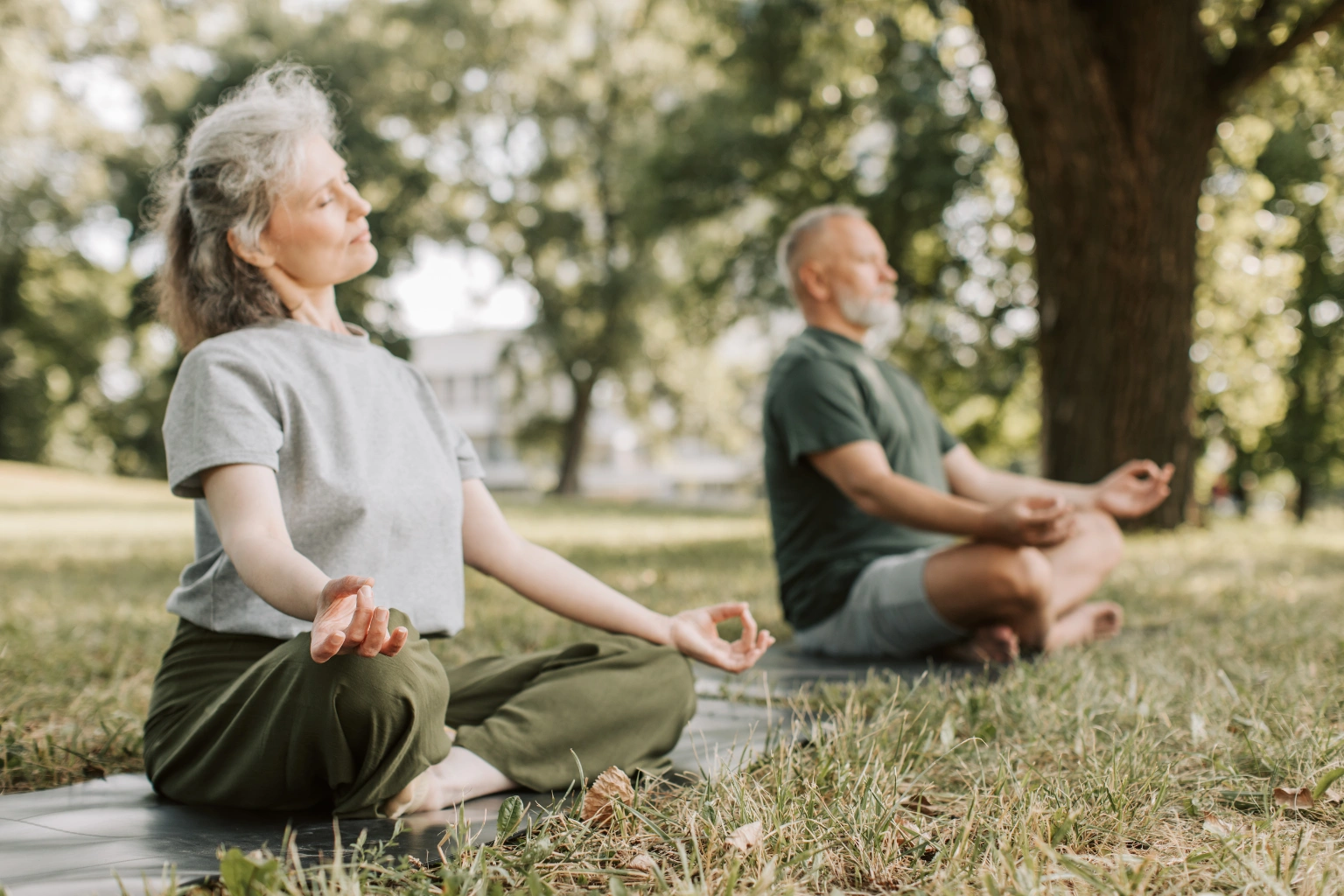
As we grow older, keeping our lungs healthy becomes increasingly important. Breathing exercises for seniors can boost lung capacity, enhance respiratory fitness, and promote a sense of well-being. These simple yet effective breathing practices don’t just strengthen the lungs; they can refresh the spirit and help maintain independence and vitality.
Lung capacity refers to how much air your lungs can hold. With age, this capacity often decreases due to several factors, including reduced elasticity in lung tissue and changes in chest wall mechanics. This natural decline can affect physical endurance, energy levels, and overall health, making everyday activities more challenging.
Preserving and improving lung capacity becomes especially important as we age. Good respiratory function allows seniors to stay active and engaged in daily activities, from climbing stairs to enjoying walks in the park. By practicing specific breathing exercises, older adults can strengthen their respiratory system and maintain a more active lifestyle.
Breathing exercises for elderly provide numerous advantages for older adults:
Together, these benefits create a comprehensive improvement in quality of life, making breathing exercises an important part of any senior’s health routine.
Let’s explore some effective breathing exercises specially suited for seniors. Each is designed to be straightforward yet powerful.
Diaphragmatic breathing, also known as abdominal or belly breathing, is a fundamental technique that encourages complete oxygen exchange.
Pursed-lip breathing slows down your breathing and keeps your airways open longer.
This method effectively relieves shortness of breath, making it excellent for seniors, particularly those with respiratory conditions like chronic obstructive pulmonary disease.
Box breathing is a structured breathing technique designed to promote calmness and mental clarity.
This exercise benefits both lung health and mental relaxation.
Extended exhalation is a simple yet effective technique that emphasizes the importance of a long, controlled exhale.
This technique can help reduce stress and promote a sense of peace.
Combining deep breathing exercises with visualization can enhance emotional well-being.
This practice supports both respiratory health and emotional balance.
Consistency is key when it comes to experiencing the benefits of breathing exercises. Here’s a sample daily routine for seniors:
Staying motivated can be as simple as keeping track of your progress in a journal or setting reminders on your phone.
Tracking your progress can be both motivating and informative. Here are a few ways to measure improvement:
Checking in with healthcare providers can help customize your exercise regimen and ensure you’re making progress safely.
While breathing exercises are generally safe, there are a few considerations to keep in mind:
Many seniors have discovered that regular breathing exercises have transformed their lives. For example, Mary, aged 68, shared how diaphragmatic breathing helped her manage anxiety and improve her sleep quality. John, 72, found that incorporating pursed lip breathing during his morning walks significantly increased his stamina.
These personal accounts aren’t just success stories; they’re encouragement for others to discover the power of breath.
Making breathing exercises part of your routine doesn’t have to be complicated. Here are some practical suggestions:
The key is finding ways to make these exercises convenient and enjoyable, so they become a natural part of your day.
Even with the best intentions, you might face some obstacles when establishing a breathing practice:
With patience and persistence, these challenges can be overcome, allowing you to experience the full benefits of regular breathing practice.
Different seasons bring unique challenges and opportunities for respiratory health:
Winter: Indoor heating can create dry air that irritates the airways. Consider using a humidifier and practicing breathing exercises to lower blood pressure in a well-humidified room. Morning breathing routines can help prepare your lungs for the shock of cold air.
Spring: Pollen and allergens might make outdoor breathing exercises challenging. Consider indoor practice during high pollen days and use air purifiers if needed.
Summer: Heat and humidity can sometimes make breathing feel more difficult. Early morning or evening practice might be more comfortable. Stay well-hydrated to support healthy lungs.
Fall: As temperatures drop, gradually increase indoor practice to prepare for winter. This is a good time to establish consistent routines before the challenging winter months.
How long should I practice breathing exercises each day? Even 5-10 minutes a day can provide benefits. It’s better to practice consistently for shorter periods than irregularly for longer sessions. As you become more comfortable, you can gradually increase your practice time.
Can breathing exercises help with specific conditions like COPD or asthma? Yes, many respiratory conditions can benefit from proper breathing techniques. However, it’s important to consult with your healthcare provider first, as they can recommend specific exercises like diaphragmatic breathing tailored to your condition.
Will I notice results immediately? Some benefits, like relaxation, might be felt right away. However, improvements in lung capacity and overall respiratory health typically develop over weeks of consistent practice. Be patient with yourself and focus on consistency.
Can I practice these exercises if I use oxygen therapy? Many people on oxygen therapy can benefit from breathing exercises, but it’s crucial to consult with your doctor first. They might recommend specific modifications to make the exercises safe and effective for your situation.
Is it normal to feel lightheaded when starting breathing exercises? Mild lightheadedness can occur when you’re not accustomed to deep breathing techniques. If this happens, return to normal breathing and rest. Start with shorter sessions and gradually increase duration. If lightheadedness persists, consult a healthcare professional.
Incorporating breathing exercises into your daily routine can significantly impact your respiratory strength and overall health. From increasing lung capacity to reducing stress, the benefits are extensive and meaningful. As you begin this journey toward improved respiratory fitness, remember that every breath matters. Effective breathing exercises can truly enhance your overall well-being and quality of life.
For seniors dealing with sleep issues, proper sleep hygiene techniques can complement breathing practices for better rest. Additionally, those experiencing anxiety may find relief through specialized anxiety management approaches combined with breathing techniques.
Health experts at Sun Health Communities recommend simple breathing exercises that help older adults cope with stress and improve overall respiratory health. For visual guidance on proper breathing techniques, watch this helpful demonstration of breathing exercises for seniors that can be easily incorporated into any exercise program.
According to Harvard Health Publishing, breathing exercises can help lower blood pressure and activate your parasympathetic nervous system, promoting relaxation and overall health. Take a moment today to breathe deeply and appreciate the vitality that comes with each breath. Your lungs and your overall well-being will thank you.
Written By Safia Sabry