
Highlights
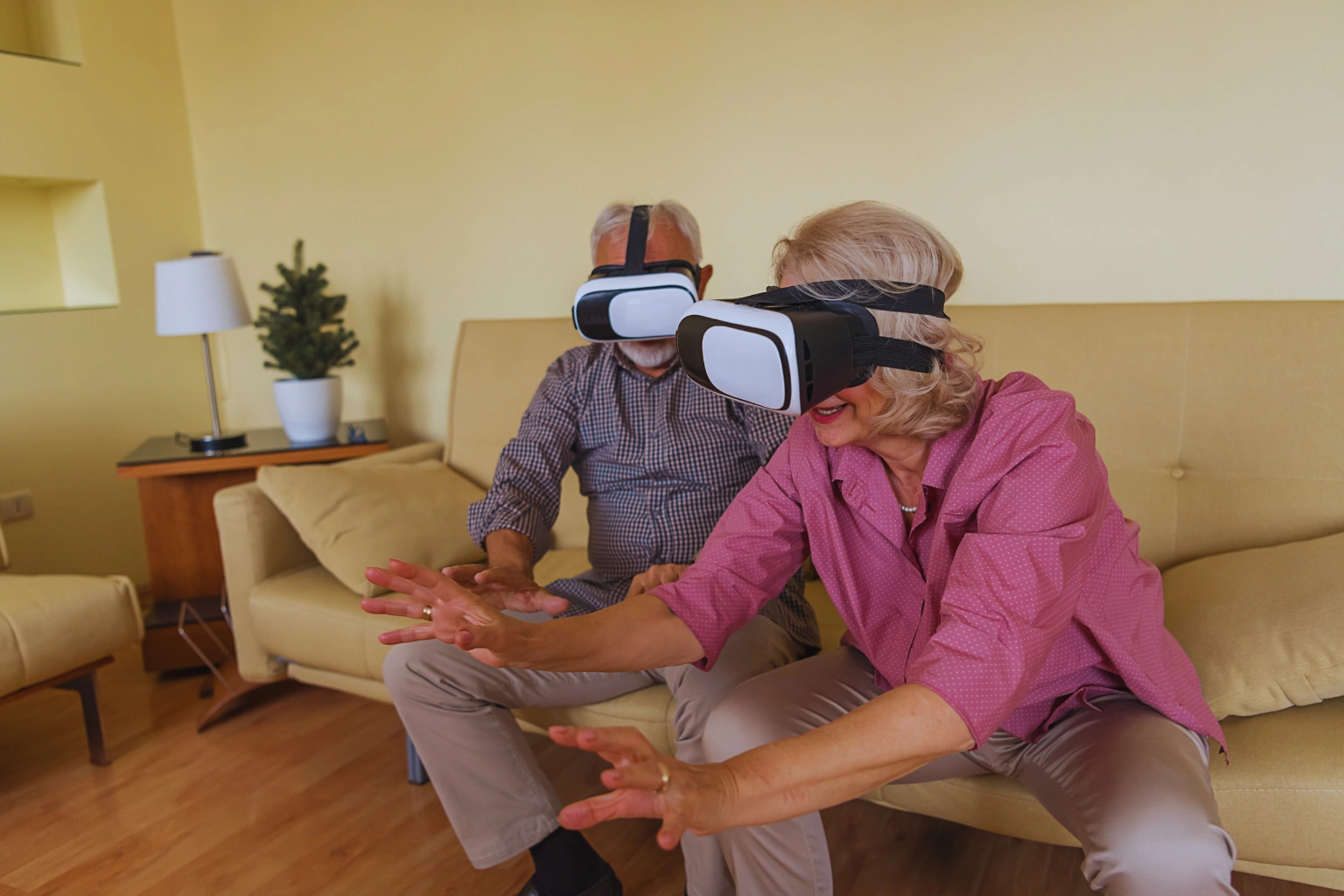
As technology continues to advance, seniors have more opportunities than ever to use digital tools that can genuinely improve their quality of life. Virtual reality has become an exciting option that offers immersive experiences, allowing older adults to explore new worlds, stay connected with family, and boost their mental health, all while sitting comfortably in their living rooms. Let’s look at how VR is opening up new possibilities for seniors and why it might be worth considering.
Virtual reality creates a computer-generated environment that mimics either real or imagined worlds, letting users interact with what feels like an actual physical space. Using headsets and sometimes additional equipment, people can step into three-dimensional spaces that engage both their visual and auditory senses. This virtual reality technology has come a long way since its early days in the 1960s and is now making a real difference across many areas, from gaming and education to enhancing seniors’ lives.
The magic of VR happens through a combination of specialized hardware and software working together to create a believable experience. The VR headset comes equipped with screens and motion sensors that track head movements, allowing users to look around their virtual surroundings naturally. Many virtual reality experiences include sound effects and music, and some even provide haptic feedback, adding a touch sensation to make things feel even more real. The result? A captivating experience that can transport someone from their living room to anywhere imaginable, whether it’s standing atop Mount Everest or swimming alongside tropical fish.
One of the most valuable aspects of VR for older adults is its positive impact on mental health. Research suggests these immersive experiences can help keep the brain active by stimulating cognitive functions and providing a refreshing break from daily routines. Engaging with virtual environments challenges the mind in new ways, keeping it sharp and engaged. Studies have shown that VR can help older adults with cognitive decline and effectively reduce feelings of social isolation in seniors, a common challenge for many seniors. A study in the BMC Geriatrics journal pointed to several positive effects of VR on older adults, including increased social connection and improved mood states.
VR isn’t just for solo adventures; it can also bring people together across distances. Social VR applications make it possible for seniors to share experiences with family and friends regardless of where everyone lives. Picture exploring a virtual museum in Paris with your grandchildren or taking a family “vacation” together in a tropical paradise. These shared experiences can strengthen family bonds and create meaningful memories despite physical separation. Using virtual reality in this way helps older adults maintain meaningful relationships despite potential mobility limitations.
Beyond keeping the mind active, VR offers benefits for both physical and emotional health. The immersive environments can provide stress relief and relaxation, serving as a digital retreat for those dealing with anxiety or depression. Some VR applications are specifically designed for gentle physical therapy, allowing seniors to do light exercises that improve mobility and strength, particularly helpful for those recovering from injuries or managing ongoing health conditions. Virtual reality is also being used to help prevent physical and cognitive decline in the aging population.
When choosing a VR headset for an older adult, certain features matter more than others:
Several VR headsets stand out as particularly good options for seniors:
Perhaps the most exciting use of virtual reality for many seniors is virtual travel. The ability to “visit” countries, experience different cultures, and see breathtaking landscapes without the physical demands or costs of actual travel can be truly liberating. This technology can reignite a sense of adventure and curiosity that might have diminished over time, allowing older people to continue exploring the world in a new way. VR can help older adults with mild cognitive impairment reconnect with their sense of wonder and adventure.
Several platforms make virtual globetrotting accessible and enjoyable:
While VR opens up exciting possibilities, safety should always be the priority. Here are some simple tips to ensure a safe experience:
For seniors with limited mobility, seated VR experiences can be particularly valuable. Many applications are specifically designed to be used while sitting, allowing users to engage in activities without requiring physical movement. This adaptability makes VR accessible to almost everyone, ensuring that physical limitations don’t limit virtual adventures. For older adults who can’t participate in traditional chair exercises for seniors, VR offers alternative ways to stay active.
Are there VR headsets designed for older users?
Yes! Several VR headsets work well for seniors, with features that prioritize comfort and ease of use. The Oculus Quest 2 is particularly popular with older adults because of its lightweight design and straightforward controls that don’t require technical expertise. The use of virtual reality applications designed for senior citizens is growing rapidly.
What are some good virtual travel experiences to start with?
Google Earth VR and Wander are excellent starting points for virtual travelers. These platforms offer visually impressive environments that are relatively easy to use, making them perfect for seniors who want to explore the world from home. Rendever has also created solutions for senior living communities that help seniors experience immersive technology together.
What safety precautions should seniors take when using VR?
Seniors should make sure their VR area is free from obstacles, take frequent breaks during use, and consider seated experiences if mobility is a concern. These simple steps help ensure that VR remains a safe and enjoyable activity. Caregivers in senior living communities often assist with VR sessions to ensure safety.
Can VR help with memory or cognitive function?
Early research suggests that VR experiences may help stimulate cognitive function and potentially support memory. The novel environments and interactive elements provide mental stimulation that keeps the brain engaged in new ways. People living with dementia have shown positive responses to reminiscence therapy using VR technology. A study found that adults with mild cognitive impairment showed improvement in memory recall after using VR.
Is VR expensive to get started with?
While there is an initial investment for the VR headset, many VR systems have become more affordable in recent years. The Oculus Quest 2, for instance, offers a complete standalone system at a price point that’s comparable to a mid-range tablet or smartphone. Many senior living communities are implementing VR technology that residents can share, making it more accessible.
In our rapidly changing world, virtual reality stands out as a remarkable tool that can genuinely enhance the quality of life for older adults. By offering immersive experiences that encourage exploration, social connection, and emotional well-being, VR technology helps bridge the gap between isolation and engagement. As older adults discover this experience-expanding technology, they open themselves to countless possibilities that can bring new joy and meaning to their daily lives.
Companies like Mynd Immersive and Rendever have received a 3.8 million grant from the National Institutes of Health to develop virtual reality applications specifically designed to improve life for older adults. Their project, led by researchers with expertise in therapeutics and technology, has shown that VR can improve well-being in older adults significantly.
Why not give it a try? The world of virtual reality offers a chance to connect with loved ones, discover new places, or simply enjoy novel experiences, all from your favorite armchair. Using VR can help older adults with Alzheimer’s disease reconnect with memories, allowing them to virtually revisit their childhood home or other meaningful places. For people with dementia, these virtual environments provide comfort and stimulation in a safe, controlled setting. A whole new world of adventure is waiting, just a headset away.