
Highlights
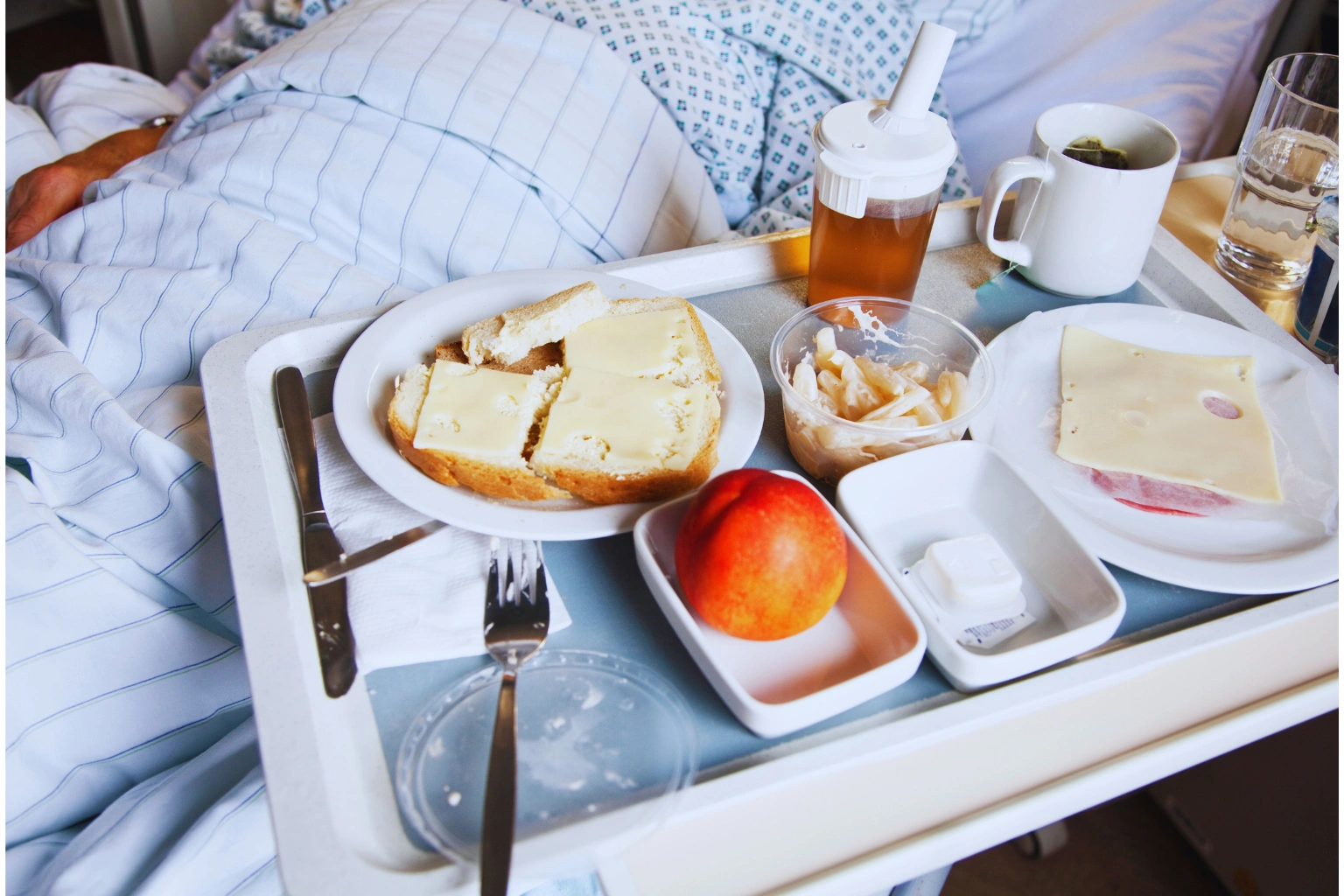
Bouncing back after surgery isn’t easy, especially for older adults. What you eat after surgery can make a huge difference in how quickly and completely you heal. The right foods don’t just satisfy hunger; they actively help repair tissues, fight infection, and restore energy when your body needs it most.
This guide breaks down exactly what seniors should eat after surgery to support healing, boost energy, and reduce complications. Let’s explore how to create a post-surgery diet that works for a smooth recovery.
After surgery, your body goes into repair mode, working overtime to heal wounds, fight potential infections, and rebuild damaged tissues. Surgical recovery nutrition is simply the approach to eating that gives your body the raw materials it needs for this intensive repair work.
For seniors, this becomes particularly important. As we age, our bodies naturally process nutrients differently, and recovery can take longer without proper nutrition after surgery. The food choices you make during this critical time directly impact how quickly and successfully you heal.
Seniors face unique challenges following surgery. Changes in metabolism, decreased appetite, and differences in how nutrients are absorbed all affect the recovery process. Many older adults also take medications that can interact with certain foods or affect nutrient absorption.
Staying hydrated is just as important as eating well. Many seniors don’t feel thirsty as readily as younger adults, yet dehydration can seriously slow healing and increase complication risks. Drinking enough fluids helps transport nutrients to healing tissues, remove waste products, and maintain proper organ function during the recovery period.
Think of protein as the building blocks for repair. After surgery, your protein needs increase significantly as your body rebuilds damaged tissues. For seniors recovering from surgery, experts recommend consuming 1.0 to 1.2 grams of protein per kilogram of body weight daily. This means if you weigh 70 kilograms (about 154 pounds), you should aim for 70-84 grams of protein after surgery each day.
Best Sources of Protein:
Getting enough protein doesn’t just help in healing; it helps maintain muscle mass, which is crucial for seniors working to regain mobility after surgery. Even short periods of inactivity can lead to muscle loss in older adults, making protein intake especially important for post-surgery recovery.
Beyond protein, certain healing foods contain nutrients that specifically support the healing process:
Including these essential foods to eat in your daily post-surgery meals creates a foundation for faster recovery and more complete healing and recovery.
Water is involved in virtually every bodily process, making proper hydration absolutely critical after surgery. Dehydration can cause complications like constipation, urinary tract infections, and even cognitive issues—all of which can seriously impede recovery after surgery.
Recommended Fluids Post-Surgery:
Many seniors find it difficult to drink enough water throughout the day. Some helpful strategies include keeping a water bottle within easy reach, setting regular reminders to drink, and eating water-rich foods like cucumber, watermelon, and oranges. Adding a slice of lemon or cucumber to water can make it more appealing for those who don’t normally eat or drink plain water.
Planning meals ahead can remove much of the stress around eating properly during recovery. Here’s a sample one-day menu that incorporates the key nutrients discussed for a post-surgery meal plan:
This meal plan provides ample protein, healthy fats, complex carbohydrates, and micronutrients needed for healing. It’s also relatively simple to prepare, which is important when energy levels may be low during recovery time.
It’s common for seniors to experience decreased appetite after surgery due to pain medication side effects, pain, fatigue, or changes in taste. Here are some practical ways to address this challenge:
Another helpful approach is to focus on nutrient-dense foods when appetite is limited. This means choosing foods that help provide more nutrition per bite, ensuring that even small portions contribute significantly to promoting healing after surgery.
While whole foods should always be the primary source of nutrition, supplements can fill gaps, especially when appetite is reduced. Some supplements that may benefit seniors during the stages of recovery include:
Remember that supplements are exactly that—supplemental to a healthy diet, not replacements for proper nutrition. They should be used thoughtfully and with medical guidance.
Not all supplements are created equal, and some may interact with medications or existing health conditions. When considering supplements for your recovery diet:
Your pharmacist can also be an excellent resource for identifying potential interactions between supplements and prescription medications that could affect your ability to heal.
What are the best foods to eat after surgery? The best foods to eat after surgery include protein-rich options like chicken, fish, eggs, and beans; colorful fruits and vegetables that provide vitamins and antioxidants; whole grains for energy and fiber; and healthy fats from sources like olive oil, avocados, and nuts. These foods provide the nutrients necessary for wound healing while supporting immune function and energy levels, depending on the type of surgery you’ve had.
Which supplements might help with recovery? Key supplements that might benefit seniors during post-surgery recovery include protein powders to boost daily protein intake, vitamin C and D to support immune function and healing, and omega-3 fatty acids to help reduce inflammation. However, it’s crucial to speak with your healthcare provider before starting any supplements, as they may interact with medications or affect existing health conditions.
How can I improve my appetite after surgery? To boost appetite after surgery, try eating the right foods in smaller meals more frequently throughout the day instead of three large ones. Make post-surgery meals visually appealing with bright colors and a nice presentation. Eating with family or friends can also make mealtimes more enjoyable and encourage better eating. If possible, take a short walk before meals (if approved by your doctor), as light activity can stimulate appetite when you’re home after surgery.
What you eat during recovery from surgery can dramatically influence how quickly and completely you heal. For seniors, especially focusing on post-surgery nutrition can mean the difference between a lengthy, complicated recovery and getting back to normal activities sooner.
The key takeaways? Prioritize protein to rebuild tissues, include plenty of colorful fruits and vegetables for vitamins and antioxidants, choose whole grains for sustained energy, and don’t forget about healthy fats that help control inflammation. Staying hydrated is just as important as the food you eat after surgery.
Remember that everyone’s recovery journey is different. What works perfectly for one person might need adjustment for another. Don’t hesitate to work with healthcare providers to personalize your nutrition after surgery plan based on your specific surgery, health conditions, and medication regimen.
Recovery takes time and patience. Some days will be better than others when it comes to appetite and energy levels. Be kind to yourself during this process, celebrating small victories along the way.
Have you or a loved one recovered from surgery recently? What foods or eating strategies helped most during recovery? Sharing experiences can be incredibly helpful for others just starting their healing journey. And if you found this guide helpful, consider subscribing to more senior health and wellness content.
For additional insights on foods you should avoid and foods to incorporate in your post-surgery nutrition, check out this helpful video: Nutrition After Surgery. This video offers practical advice on dietary adjustments that can help speed up the healing process for a speedy recovery.