
Highlights
Laundry may seem like an everyday task, but for seniors, it can be a significant hurdle that impacts their independence and quality of life. Creating an accessible laundry room doesn’t just make physical tasks easier; it helps older adults maintain their self-sufficiency, which is crucial for their mental well-being. Let’s explore how to design a laundry space that empowers seniors to handle their laundry chores with ease and confidence while supporting aging in place principles.
As we age, our physical abilities often decline, creating challenges in daily tasks like laundry. Mobility issues, decreased strength, and balance problems make bending, lifting, and reaching difficult, turning a simple chore into a daunting obstacle. What’s more, safety becomes a serious concern; slips and falls in the laundry room can lead to severe injuries for older adults. Seniors often struggle with carrying laundry baskets up and down stairs, making a laundry room on the main floor essential for many aging-in-place homes.
Independence isn’t just a preference; it’s a fundamental aspect of aging with dignity. When seniors can manage their own laundry, they keep control over their daily lives, which creates a sense of accomplishment and self-worth. Research shows that maintaining self-sufficiency in everyday activities significantly improves overall quality of life, contributing to better mental health and emotional stability. An accessible laundry room supports this independence, making laundry day easier and less physically demanding.
The type of washing machine you select can make a huge difference in laundry accessibility for seniors.
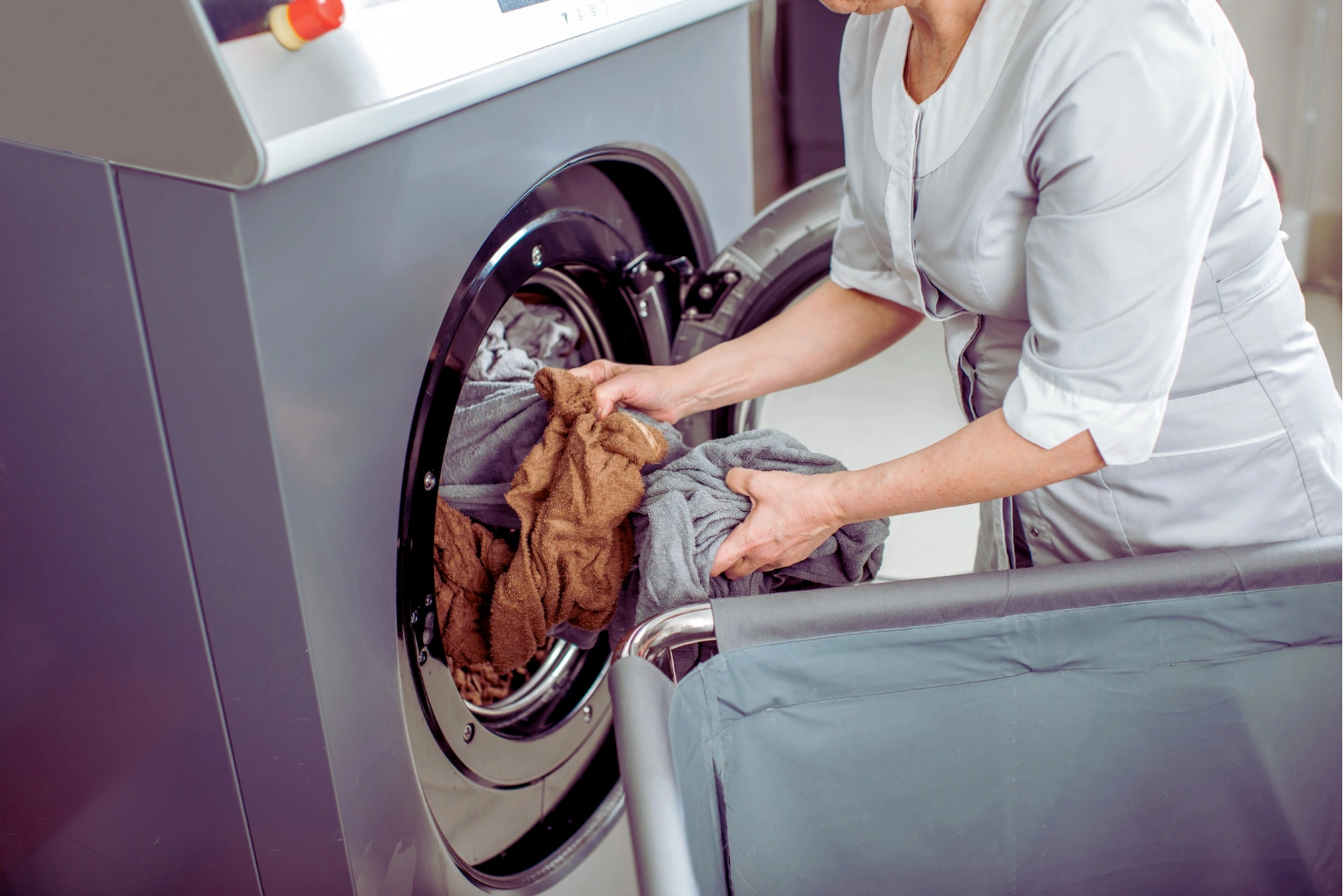
Front-loading washers and dryers are typically taller and open from the front, making them easier to load and unload without excessive bending. However, they might be challenging for some seniors to access because of their height. On the other hand, a top-loading washer requires reaching down into the machine, which can be difficult for those with mobility issues. The best choice depends on the individual’s specific needs and physical capabilities.
For more information about the differences between these washing machines, check out the comprehensive aging in place laundry remodeling options.
When picking out a washer and dryer, these features can make a big difference for seniors:
An organized laundry area is key for both efficiency and safety. Consider these suggestions:
These organizational strategies can make laundry day much easier:
Beyond modifying the laundry room itself, the right tools can make a world of difference for creating an accessible laundry experience:
For seniors who struggle with bending and lifting, these techniques can help:
Hearing from those who have adapted their laundry routines provides valuable insights. Many seniors report that simple changes, like using a rolling cart or an elevated washer, have completely transformed their laundry experience, allowing them to maintain their independence despite physical limitations. Seniors often mention how much easier it is to fold laundry when counters and folding surfaces are at the right height.
Take Mrs. Thompson, an 82-year-old widow who struggled with her laundry chores after developing arthritis. After installing a front-loading washer and dryer on a pedestal and adding grab bars near her appliances, she found herself not only managing her laundry independently but actually enjoying the task again. Her story highlights how thoughtful laundry room ideas can restore confidence and capability for an elderly person.
Front-loader vs. Top-loader: Which is Better?
The choice between front-loaders and top-loaders really depends on individual needs. Front-loading washers and dryers can be easier for loading and unloading without excessive bending, especially when placed on pedestals. However, they might be less accessible for seniors who have difficulty reaching down. A top-loading washer eliminates the need to bend down, but requires reaching into the machine, which can strain the back and shoulders.
What Are Some Reaching Solutions for Seniors?
Several tools can help seniors handle laundry more easily. Laundry carts and baskets on wheels reduce the need to carry heavy loads. Grab bars installed near washing machines and dryers provide stability when bending or reaching. For those with limited mobility, techniques like bending at the knees rather than the waist and using long-handled grabbers can prevent injury and strain while helping to transport laundry safely.
How Can I Organize My Laundry Space Effectively?
An organized laundry space starts with smart systems. Try color-coded sorting with different baskets for different types of laundry. Use clearly labeled containers for detergents and other laundry supplies. Wall-mounted storage keeps frequently used items accessible without cluttering counter space. A folding table at the right height can make that task much more comfortable in an accessible laundry room.
Good lighting is often overlooked but incredibly important in laundry rooms. Bright, even lighting helps seniors see controls clearly and spot dropped items. Task lighting over key work areas can make a significant difference. For flooring, non-slip surfaces are a must. Avoid high-gloss tiles that become slippery when wet, and consider cushioned mats in areas where standing for long periods might be necessary. The floor should be level with adjacent rooms to eliminate tripping hazards and provide ease of access for wheelchair users.
Laundry rooms can get hot and humid, which may be uncomfortable or even dangerous for seniors with respiratory issues or heat sensitivity. Proper ventilation through windows, vents, or fans keeps the air circulating. If possible, temperature controls that keep the laundry area comfortable year-round can make laundry tasks much more pleasant and support better senior health.
No matter how well-designed a laundry room is, emergencies can happen. Consider installing an emergency call button or keeping a phone within easy reach. Clear pathways to exits are essential, and a small fire extinguisher appropriate for electrical fires should be easily accessible but not in the way of daily activities. These fall prevention exercises can also help seniors stay safe during laundry chores.
Not all accessibility improvements require major renovations or expensive new laundry appliances. Here are some affordable options that can make a big difference:
Even small changes can significantly improve the laundry experience for seniors on a limited budget. Learn more about financing options for senior home modifications to help create an accessible laundry space.
While many modifications can be DIY projects, some situations call for professional assistance or alternative solutions:
Home modification specialists who understand the unique needs of seniors can provide valuable guidance for creating an accessible laundry room. Some communities offer programs that help seniors access these services at reduced costs.
For some seniors, the benefits of laundry services may outweigh the advantages of doing laundry at home. A senior laundry service can be an excellent option when physical limitations make laundry too challenging or when the cost of modifying a laundry room is prohibitive. Laundry services for seniors often include pickup and delivery, eliminating the need to transport laundry and ensuring clean clothes without the physical strain.
Incorporating universal design principles creates a laundry space that works for people of all ages and abilities. Key elements include:
These universal design features create a flexible laundry space that adapts to changing needs as people age, making it an excellent investment for aging-in-place homes. For additional information on laundry room safety and accessibility, visit Smart Cells’ guide on laundry room aging in place modifications.
Creating an accessible laundry room isn’t just about convenience; it’s about preserving independence and improving the quality of life for seniors. By implementing thoughtful modifications, using helpful tools, and adopting efficient organizational practices, older adults can handle their laundry routines with confidence and safety.
The good news is that small changes often lead to big improvements in self-reliance and satisfaction. Something as simple as adding a rolling cart or raising a washer on a pedestal can make all the difference between dependence and independence.
If you have unique experiences or tips about laundry accessibility, we’d love to hear from you! Share your thoughts or questions, and check out more resources on senior-friendly furniture solutions to further improve living spaces.
Remember, maintaining independence is an ongoing journey, and with the right support and modifications, every senior can enjoy the simple satisfaction of managing their own laundry, a small but meaningful part of aging with dignity and autonomy.
Written By Safia Sabry.