
Highlights
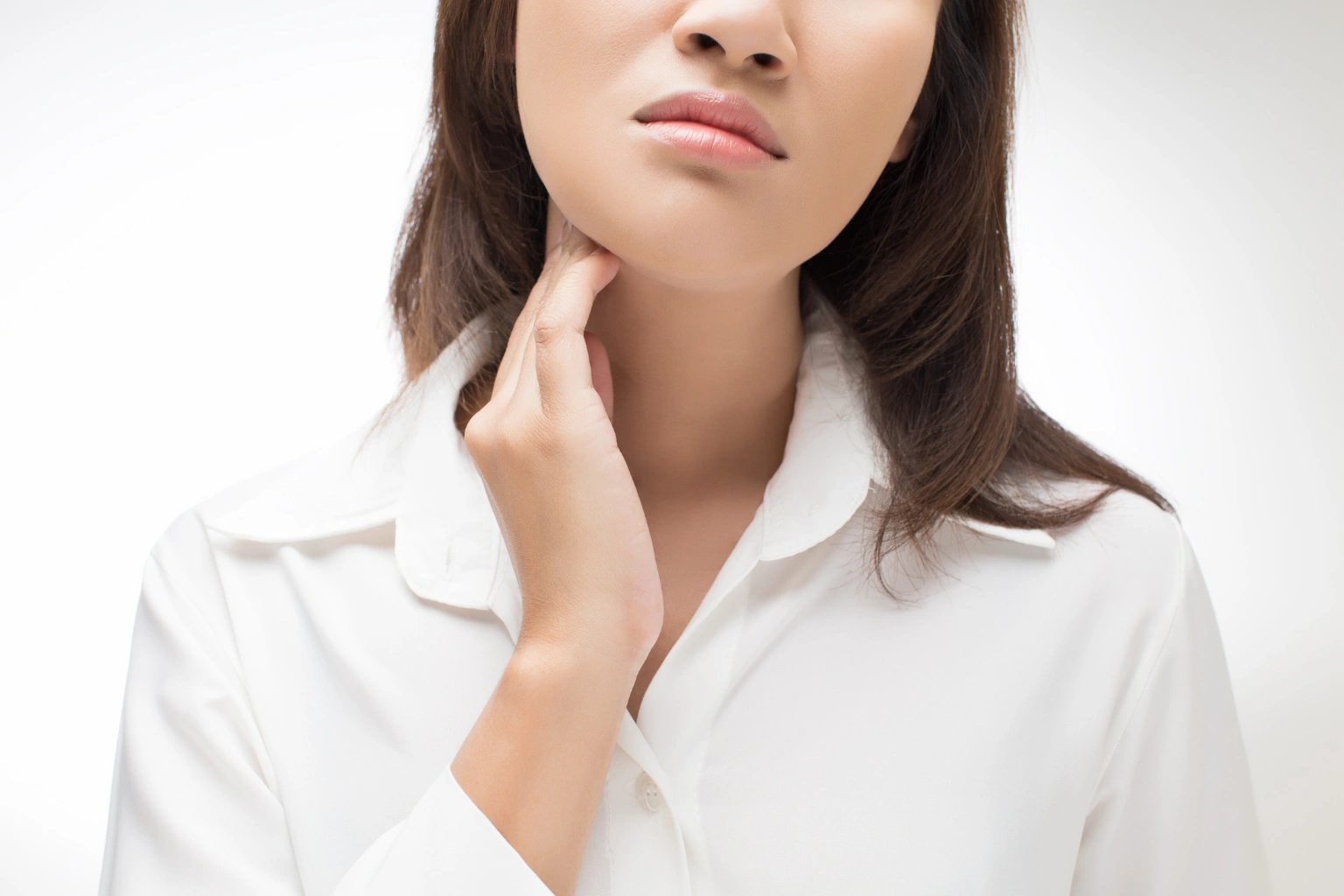
As we age, our bodies go through countless changes, and thyroid health is one of the most important yet frequently overlooked aspects. Thyroid disorders, especially hypothyroidism and hyperthyroidism, can deeply impact seniors, affecting everything from metabolism and energy levels to overall quality of life. Understanding these thyroid conditions is key for older adults, since early diagnosis and proper management can lead to better hormone balance and improved well-being. Thyroid disease in older people has become increasingly recognized as a significant health concern requiring specialized attention.
The thyroid gland is a butterfly-shaped organ at the base of your neck that plays a crucial role in your body’s metabolism. It produces hormones that regulate many bodily functions, including heart rate, temperature, and energy levels. The main thyroid hormone levels, thyroxine (T4) and triiodothyronine (T3), help ensure that your metabolism runs smoothly. The production of thyroid hormones is carefully controlled by the pituitary gland through thyroid-stimulating hormone (TSH).
Hypothyroidism, or an underactive thyroid, ranks among the most common thyroid problems in older adults. It happens when the thyroid gland doesn’t produce enough thyroid hormone. The prevalence of thyroid dysfunction increases with age, affecting roughly 10% of older patients. Several factors can contribute to this condition, including autoimmune disease like Hashimoto’s thyroiditis, certain medications, and radiation therapy. Subclinical hypothyroidism is also common in older adults, where thyroid function tests show mild abnormalities without overt symptoms.
Hyperthyroidism, or an overactive thyroid, is less common in seniors but still significant. This thyroid condition results from too much thyroid hormone production, often caused by conditions such as Graves’ disease or thyroid nodules. While hyperthyroidism in older individuals is not diagnosed as frequently, it can have severe effects, potentially leading to complications like heart disease and mortality risks, particularly coronary heart disease and mortality in untreated cases.
For elderly patients, spotting thyroid disorder symptoms can be tricky because they often present in subtle ways in older patients, resembling normal signs of aging:
The clinical presentation of thyroid disorders often differs in seniors compared to younger patients, making the diagnosis of thyroid dysfunction challenging.
Thyroid disorder symptoms can dramatically impact a senior’s quality of life. Fatigue can make everyday tasks seem overwhelming, while mood changes can lead to isolation and depression. Addressing these symptoms of thyroid disease through proper management of thyroid disorders is important for maintaining both physical and emotional well-being among older adults.
The thyroid gland plays a key role in regulating your body’s metabolic rate. As we age, thyroid function can decrease, resulting in a slower metabolism. This change in thyroid function can lead to weight gain and reduced energy levels, making lifestyle changes necessary for maintaining health. The effects of a change in thyroid function on other body systems become even more significant in older adults.
Aging can change thyroid function, often making it less efficient. Older patients need to keep an eye on their thyroid health, as untreated thyroid disease can lead to serious complications, including heart disease and bone loss. Regular check-ups and awareness of symptoms of thyroid dysfunction can help catch thyroid issues early. The prevalence of thyroid dysfunction is significantly higher in adults 60 and older compared to the general population.
Regular thyroid function tests are important for seniors, especially those experiencing symptoms. The American Thyroid Association guidelines suggest that adults over 60 get screened for thyroid disease every five years. These tests typically measure levels of serum thyroid-stimulating hormone and, if needed, free T4. Proper interpretation of thyroid function test results is critical, as normal ranges may differ for older adults. The diagnosis of thyroid dysfunction in seniors often requires a comprehensive approach that considers age-related changes.
Making lifestyle changes can significantly impact thyroid health. Regular low-impact exercise for seniors, like walking or swimming, can boost metabolism and improve mood. A balanced diet rich in key nutrients, such as iodine, selenium, and zinc, is also important for thyroid function. The management of thyroid disease in the elderly often requires a multifaceted approach.
Seniors with thyroid disorders should focus on eating nutrient-rich foods to support thyroid function. Key nutrients include:
The presence of thyroid antibodies in the United States population suggests that dietary factors may play a role in thyroid health.
Including thyroid-friendly foods can be both enjoyable and beneficial. A sample day might include:
Proper nutrition is essential for older patients with thyroid disorders, as it can help manage symptoms and support overall health. Vitamin D for the elderly is also important, as deficiency can exacerbate thyroid symptoms.
Thyroid dysfunction and the risk of developing other conditions are a significant concern for seniors. Untreated thyroid disorders can worsen existing health problems or create new ones. For instance, hypothyroidism can increase cholesterol levels, raising the risk of heart disease, while hyperthyroidism can lead to osteoporosis and atrial fibrillation.
Regular blood pressure monitoring for seniors with thyroid disease is particularly important, as thyroid disorders can affect cardiovascular health. Patients may experience changes in blood pressure as a result of changing thyroid hormone levels.
The diagnosis and management of thyroid disease in elderly patients requires special consideration. Thyroid function is brought into question more frequently in older adults due to the increased incidence of thyroid disorders with age. Thyroid function is maintained differently in seniors, and excessive production of thyroid hormone or insufficient production can have more serious consequences than in younger individuals.
Family history of thyroid disease is an important factor to consider when evaluating older adults for thyroid abnormalities. The Task Force on Thyroid Studies recommends that physicians pay particular attention to thyroid function in seniors with a family history of thyroid disorders.
What are common thyroid symptoms in older adults?
As we covered earlier, common symptoms include fatigue, weight changes, mood fluctuations, and skin/hair issues. If you or someone you know is experiencing these symptoms, it’s important to talk to a healthcare professional. Thyroid disorders often present with subtle symptoms in older patients that may be mistaken for normal aging.
What dietary considerations should seniors keep in mind?
Seniors should make sure their diet includes important nutrients like iodine, selenium, and zinc. Focusing on a balanced diet can help manage symptoms and improve thyroid function. Too much thyroid hormone or too little can be influenced by dietary factors.
How often should seniors get thyroid testing?
Regular testing every five years is recommended for those over 60. However, people with existing thyroid issues or symptoms may need more frequent check-ups. The incidence of thyroid disorders increases with age, making regular screening important for early detection.
Thyroid health is an essential part of overall well-being for seniors. Understanding the symptoms and management of thyroid disease can empower older adults to seek timely treatment and make informed lifestyle choices. Regular screenings, appropriate medication, and a nutrient-rich diet can significantly enhance quality of life.
Thyroid disorders in older adults represent a significant health concern that requires careful attention. The prevalence of thyroid dysfunction among older adults continues to rise, making awareness and proper management increasingly important. With proper diagnosis and treatment, most seniors with thyroid disease can lead healthy, active lives.
If you have questions or personal experiences related to thyroid health, feel free to share your thoughts. Staying informed and proactive about your health is key to maintaining hormone balance and overall energy.