
Highlights
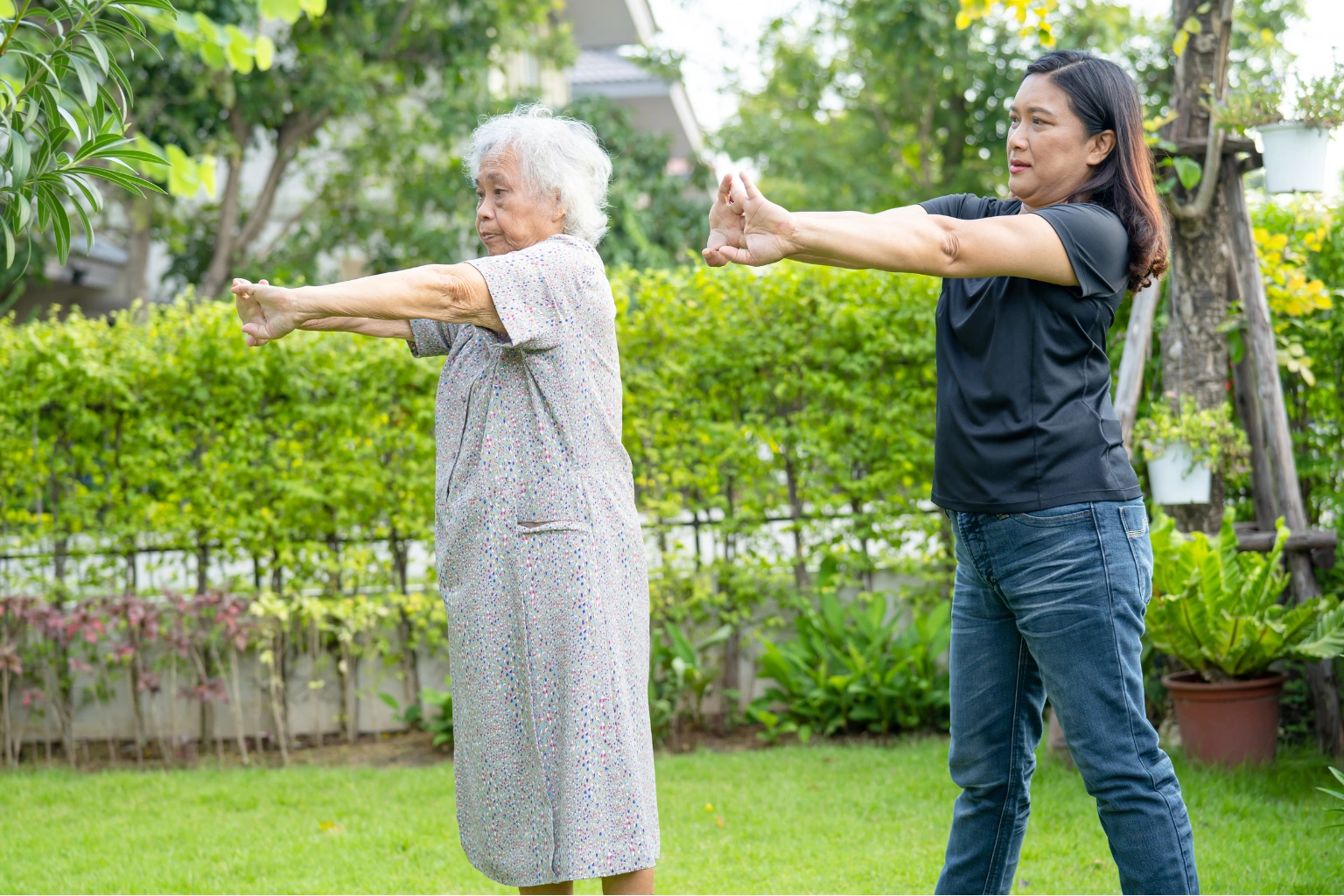
Joint replacement surgery marks a turning point for many seniors, often transforming life from constant pain to newfound mobility. But the journey doesn’t end when you leave the hospital. The path to full recovery depends heavily on finding the right exercise routine, one that promotes healing while improving your overall health. This article explores the best exercises for seniors after knee replacement and other joint replacements, with practical advice to help you recover safely and get back to an active lifestyle.
Joint replacement surgery involves removing damaged or worn-out joints, typically the hips and knees, and replacing them with artificial implants. Doctors usually recommend this procedure for seniors suffering from debilitating conditions like arthritis, which can severely limit mobility and diminish quality of life. By eliminating joint pain and restoring function, joint replacement surgery allows many seniors to return to activities they once enjoyed.
Recovery after knee replacement surgery happens gradually, often taking several weeks to months. The early phase focuses on managing pain and improving basic mobility. Physical therapy plays a key role in helping patients rebuild strength and flexibility. Most seniors can expect to return to regular daily activities within three to six months, though this timeline varies based on individual circumstances, overall health, and commitment to rehabilitation exercises and activities.
Following your prescribed exercise program after replacement surgery offers numerous advantages:
Building muscle strength provides crucial support for your new joint. Try these recommended exercises to strengthen your muscles:
Maintaining joint flexibility significantly improves recovery outcomes:
Balance exercises help prevent falls, a major concern for seniors recovering from hip replacement surgery:
It’s important to distinguish between normal discomfort and problematic pain. Some muscle soreness during recovery exercises is normal, but sharp, persistent, or increasing knee pain may signal a problem that requires medical attention.
Physical therapists specialize in rehabilitation and will create exercise programs tailored to your specific needs. They’ll teach you proper movement techniques to protect your new hip or knee joint and prevent injury. Your sessions will likely include structured exercises to strengthen the muscles around the knee or hip that gradually increase in difficulty as your strength improves.
According to research published in PubMed, targeted physical therapy after joint replacement significantly improves outcomes and reduces recovery time for many patients.
Recovery milestones differ for everyone, but most seniors can expect a gradual return to daily activities within the first 12 weeks. Talk with your healthcare team about your specific goals—whether that’s gardening, golf, or simply playing with grandchildren—to develop a realistic timeline for returning to these activities. During the early stages, you might be walking with a walker before progressing to walking with a cane as your strength and range of motion improve.
What does the transition from self-exercise to physical therapy look like? The transition typically involves moving from basic exercises at home to more structured sessions with a physical therapist. Your physical therapist will assess your progress and modify your exercise routine as needed, gradually introducing more challenging movements as you gain strength and confidence.
How long before I can resume normal activities? Most seniors return to normal activities within three to six months after total hip replacement or knee replacement surgery. Your recovery timeline depends on several factors, including your overall health, the replacement procedure performed, and how consistently you follow your rehabilitation program.
What should I do if I experience pain while exercising? If you feel pain during exercise, stop the activity immediately. Some discomfort is normal, but sharp or persistent stiffness needs attention. Contact your healthcare provider to evaluate your post-operative exercises and make necessary adjustments before continuing.
Hearing from others who have been through similar experiences can provide tremendous encouragement. Many seniors have successfully regained mobility and improved their quality of life through regular exercise and dedicated therapy. Their journeys often highlight the importance of patience and persistence, showing that replacement recovery happens one small step at a time.
For example, many successful recoveries emphasize the value of sticking with recommended knee exercises even when progress seems slow. These stories consistently point to the benefits of personalized exercise plans that address each person’s unique challenges and goals.
Finding a qualified physical therapist who specializes in senior care is crucial for effective recovery. Look for professionals with specific experience in post-joint replacement rehabilitation. Your surgeon can likely recommend therapists, or you can check with your insurance provider for in-network specialists who can help you with exercises for knee or hip rehabilitation.
Connecting with others who understand what you’re going through can make a big difference. Online forums and local support groups provide places to share experiences, challenges, and encouragement during your recovery journey. Ask your healthcare provider about local groups, or search for online communities focused on exercises for seniors after joint replacement.
Exercise isn’t just recommended after joint replacement surgery; it’s an essential component of your recovery. By following a safe, structured exercise plan, you can reduce pain, regain mobility, and improve your overall quality of life. Remember to work closely with healthcare professionals to develop strategies that work for you, and don’t hesitate to seek support from others who have walked a similar path.
Your recovery journey demonstrates your resilience, and with the right approach, you can look forward to returning to an active lifestyle. The effort you put into your strengthening exercises today will pay dividends in your mobility and independence tomorrow.
If you’re interested in learning more about senior fitness, check out resources on beneficial water exercises for older adults or effective morning stretches for elderly individuals. For those concerned about stability, balance-focused exercises for seniors can complement your recovery program and promote better overall health.
Stay active, stay positive, and embrace each step of your recovery journey with the best exercises after knee replacement or hip replacement that will help you return to the activities you love!
Written By Safia Sabry