
Highlights
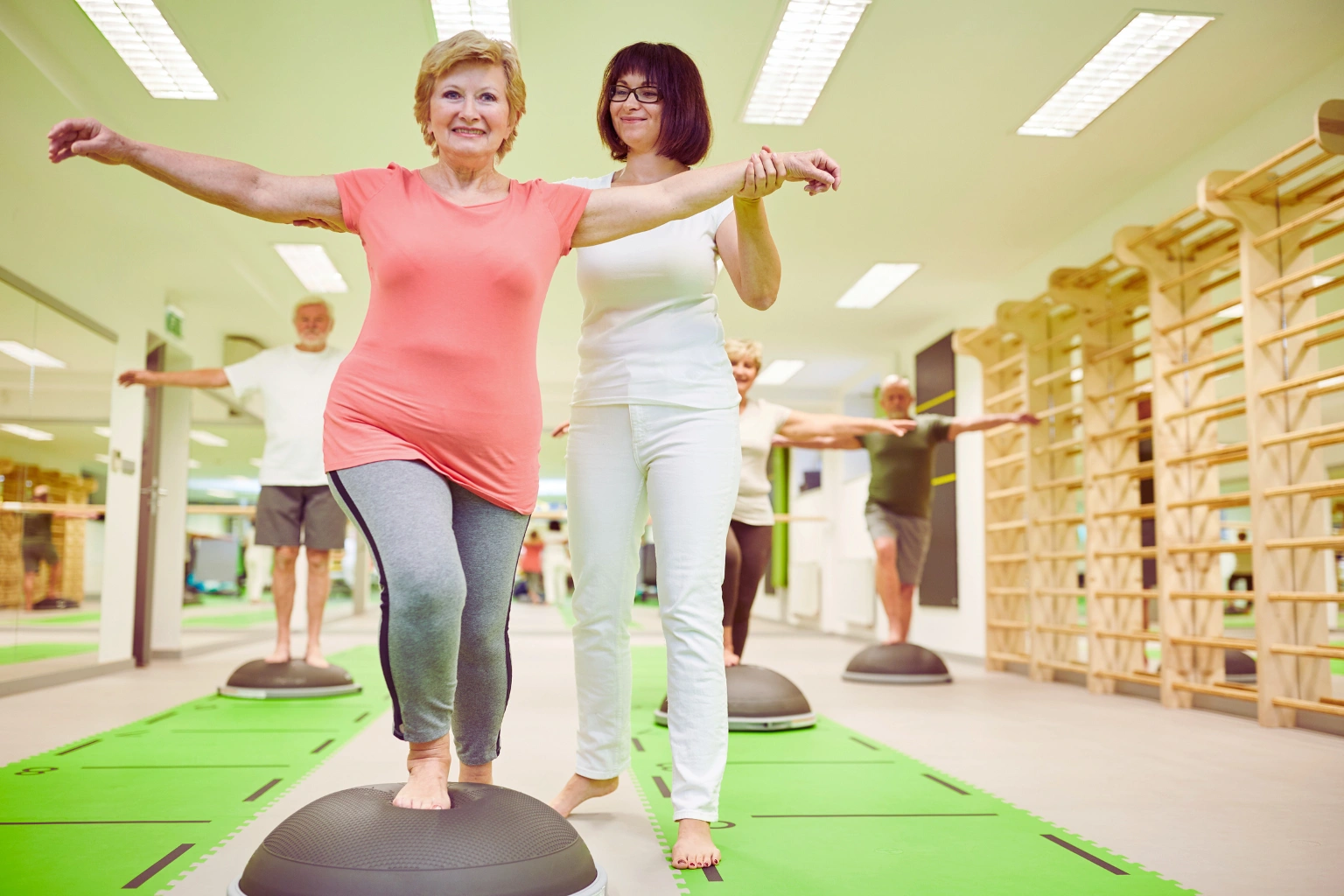
As we grow older, maintaining our balance becomes increasingly important for staying independent and preventing falls. The right balance of exercises can help improve stability, boost confidence, and support a better quality of life. These exercises are designed to build balance, help keep your balance during daily activities, and safely address common balance challenges. This guide examines the top 10 balance exercises for seniors to enhance their stability and safety, showing how exercise improves balance when practiced regularly.
Falls aren’t just minor accidents; they’re a leading cause of injury for older adults. According to the Centers for Disease Control and Prevention, one in four seniors experiences a fall each year. These falls often lead to serious consequences like fractures, head injuries, and reduced mobility. Understanding these risks is a powerful motivator to take preventive action through effective fall prevention exercises.
Several factors make falls more likely among older adults:
Being aware of these risk factors is the first step toward preventing falls.
Regular balance exercises enhance physical stability while building mental confidence. When seniors feel steadier on their feet, they’re more likely to participate in activities they enjoy, from attending social gatherings to taking leisurely walks. The benefits of balance exercises extend beyond physical improvements to enhanced quality of life.
Better balance means greater freedom. Seniors can move through their daily lives with more ease, which is key to maintaining an active and fulfilling lifestyle. Balance and strength exercises not only lower the risk of falling but also foster a sense of empowerment. As we get older, these exercises for seniors to prevent falls become increasingly important for older adults.
Instructions: Stand tall and place your right foot directly in front of your left foot, with your right heel touching your left toe. Take a step forward, making sure each heel touches the toe of your other foot. Continue for 10 steps.
Safety Tips: Do this simple balance exercise near a wall or sturdy furniture for support if needed.
Instructions: Stand on one foot while holding onto a chair or countertop for balance. Try to hold this position for 10 seconds, then switch to your left leg.
Modifications: If you’re feeling steady, try extending your arms out to the sides for an added challenge. This is one of the best balance exercises for seniors that can help improve your balance.
Instructions: Stand tall with your feet hip-width apart. Slowly lift your right leg out to the side, keeping your body straight. Hold briefly, then lower. Repeat 10-15 times on each leg.
Increasing Difficulty: Consider adding ankle weights or trying the exercise without holding onto anything for support. This exercise for balance helps build strength and balance.
Tai Chi offers gentle exercise through slow, controlled movements, making it excellent for improving balance and coordination.
You can learn more about Tai Chi and its benefits for seniors through this detailed resource. Many physical therapy professionals recommend Tai Chi as part of a balance program for older adults.
Instructions: Sit on a stability ball with your feet flat on the ground. Engage your core and try lifting one foot off the ground while maintaining your balance. Alternate feet, holding each position for 10 seconds.
Safety Precautions: Make sure the ball is properly inflated and use a wall for support if needed. These dynamic balance exercises challenge your balance skills.
Instructions: Stand on a balance board with feet shoulder-width apart. Gently shift your weight from side to side, working to maintain your balance.
Tips for Safe Use: Begin with a larger board that offers more stability before moving to smaller, more challenging options. This is one of the 7 balance exercises that can significantly improve stability.
To get the most benefit from balance exercises, consistency matters. Try to establish a routine that includes:
A well-designed exercise program should incorporate both balance and coordination exercises. The 10 best balance exercises, when done regularly, can help prevent falls and maintain balance as you age.
As your balance improves, you can make exercises more challenging by:
These modifications can help improve strength and balance simultaneously.
Always pay attention to how you feel during exercises. If something hurts or feels uncomfortable, stop and reassess. Check with your doctor or physical therapist before starting any new fitness program to ensure the exercises are safe and appropriate for your personal health situation. Poor balance can be a sign that you need balance training.
Your home should be a safe place, not full of hazards. Consider these changes:
Tools like canes, grab bars, and specialized balance trainers can help maintain balance during daily activities. These can be especially helpful during exercises, giving extra support while you build strength and balance. Simple balance exercises for seniors can be enhanced with the right support equipment.
Here are some effective balance exercises to help seniors improve stability:
These exercises can be done in the comfort of your own home and are beneficial for seniors looking to enhance their balance and prevent falls. For more detailed instructions on these and other exercises, check out these comprehensive balance exercises for seniors.
What does a typical daily practice look like for seniors?
A typical daily practice might include about 20 minutes of various balance exercises, such as heel-to-toe walks, standing on one foot, and gentle Tai Chi movements. Doing these exercises regularly is important for older adults who want to find their balance and maintain it.
How can seniors safely progress their balance exercises?
Seniors should focus on slowly increasing the difficulty of exercises, perhaps by adding light weights, or changing where they exercise (like moving from a stable floor to a softer surface or balance board). Always listen to your body and talk to a healthcare provider if you have any concerns. The best exercises are those that challenge you without putting you at risk.
What modifications can be made at home to enhance safety during balance exercises?
Clear walking paths, ensure good lighting in exercise areas, and use supportive devices where necessary to create a safe environment for practicing balance exercises. Having a sturdy chair or counter nearby provides something to grab if you feel unsteady. These precautions can help prevent injuries in seniors during exercise.
Regular physical activity is crucial for maintaining and improving balance as we age. Balance and prevent falls by incorporating strength training into your routine, which helps build the muscles needed for stability. A physical therapist can recommend specific exercises based on your individual needs and abilities.
Many older adults take their balance for granted until they experience a fall or encounter balance problems. Working on your balance through dedicated exercises can help you keep your independence longer. The following exercises can be particularly effective when focusing on your balance improvement:
These simple balance exercises for seniors can make a significant difference in overall balance and stability. For more exercises and detailed instructions, the SilverSneakers balance exercise program offers excellent guidance.
Sometimes seeing exercises performed correctly can help you understand the proper technique. This helpful video guide to senior balance exercises demonstrates several effective balance exercises that can help improve your stability and confidence, and make the exercises fun.
Balance exercise isn’t just helpful; it’s necessary for seniors who want to stay independent and reduce their risk of falling. By adding simple but effective routines to your daily life, you can significantly improve your balance and confidence. Remember, it’s never too late to start working on your balance.
For more resources, look into local senior fitness classes or videos that show these exercises in action. Your commitment to balance training is a step toward a safer, more independent life.
Start this journey with purpose, and don’t hesitate to share your experiences or ask for help. After all, improving balance is something we can all work on together, one step at a time. Balance exercises for older adults are certain exercises that can truly change how you move through the world.