
Highlights

Grooming your pet isn’t optional; it keeps them clean, comfortable, and healthy. But if you’re a senior pet owner, you already know that what sounds simple on paper can feel like a full workout in practice. Bending over a bathtub, wrestling with nail clippers, or spending ten minutes trying to get pet hair off a brush adds up quickly.
The good news? A new generation of grooming tools has been designed with exactly these challenges in mind. You don’t have to choose between your pet’s hygiene and your own comfort. Let’s walk through what’s out there and how to make it work for you. Whether you’re looking for the best dog grooming tools for a large breed or simple pet grooming tools ideal for older pets, there’s something here for every situation.
Getting older brings real physical changes: arthritis, reduced mobility, and sometimes cognitive shifts like shorter attention spans or memory lapses. These aren’t complaints; they’re just facts of life. And they matter a lot when you’re trying to hold a squirming senior dog still while fumbling with a pair of clippers.
Traditional dog grooming methods weren’t designed with these realities in mind. The tools are often heavy, awkward to grip, and require sustained physical effort. Acknowledging this isn’t giving up; it’s being smart about finding solutions that actually work for your body. Proper grooming for aging pets requires a different approach, and recognizing that early makes the whole experience easier for both pet owners and their companions.
For senior pets, grooming sessions also need to be gentler and shorter. Older dogs and cats may have sensitive skin, stiff joints near the hind legs, or anxiety that makes them harder to handle. The right grooming equipment can reduce discomfort for both of you, turning what feels like a battle into something far more manageable.
Ergonomic tools are built around the person using them, not just the task at hand. That means softer grips, lighter materials, and designs that feel intuitive rather than clunky. For senior pet owners, these details aren’t just nice-to-haves; they’re what make the difference between grooming being a dreaded chore and something you can actually get through without pain.
A well-designed tool fits comfortably in your hand, doesn’t require a vice-like grip, and won’t leave your wrist aching afterward. That’s the goal. When you groom your pet with equipment designed for your unique needs, the entire experience becomes safer and more sustainable over time.
It’s also worth noting that a home safety evaluation for seniors can help you identify areas of your living space where simple adjustments make everyday tasks, including pet care, much easier and safer to carry out.
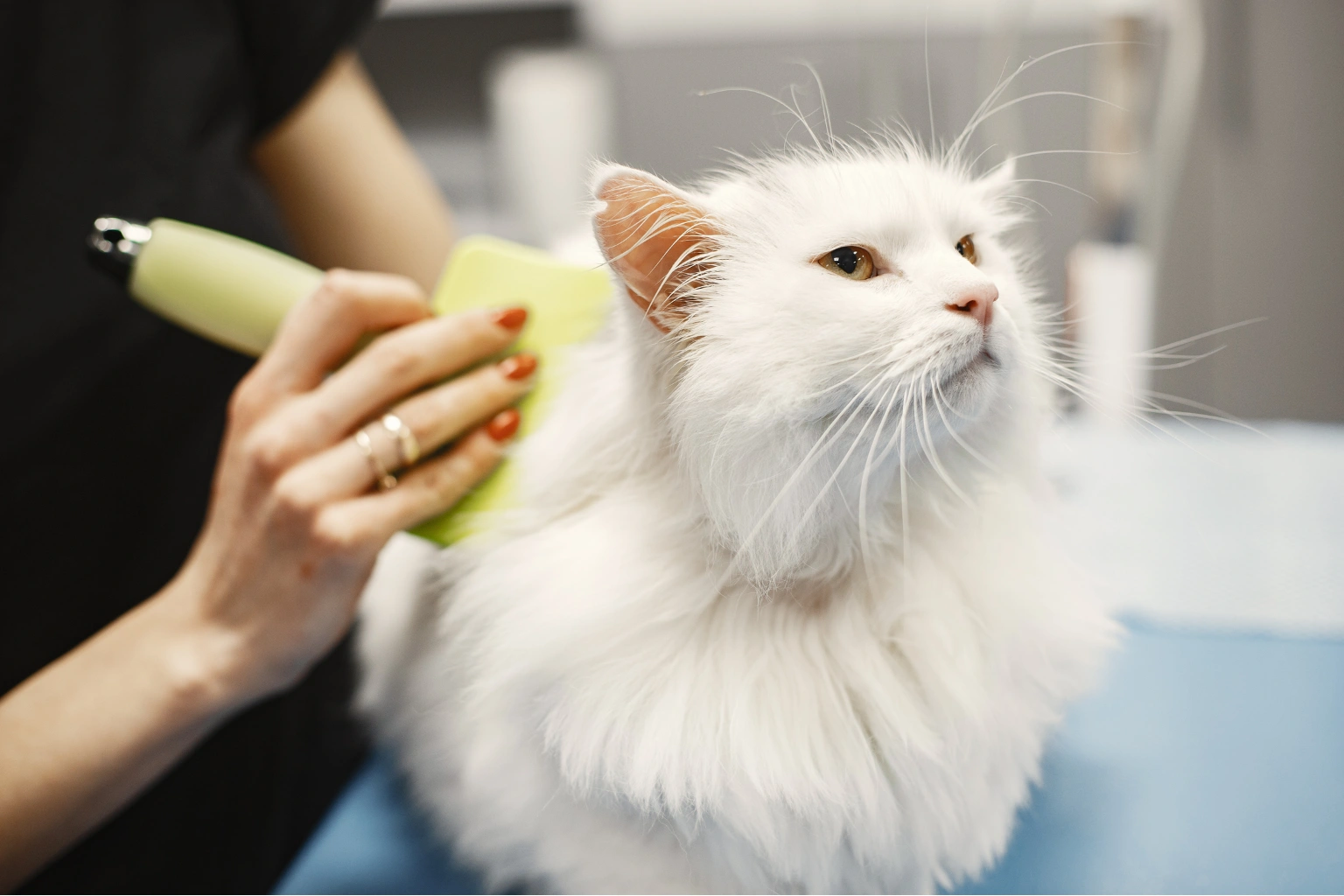
The right brush changes everything. You want something lightweight with a handle that feels secure without requiring you to squeeze hard. For dogs and cats with thick or double coats, a good brush is the cornerstone of any grooming routine, helping to remove loose hair, prevent matted fur, and keep the coat healthy between baths.
Here’s what to look for:
A detangling comb is also worth keeping in your kit. A wide-tooth comb helps loosen stubborn knots and mats before you move on to brushing, making the process smoother and less uncomfortable for your pet. When you gently work through a tangle with a comb first, you avoid the kind of tugging that can cause discomfort or even minor injury to older pets with fragile skin.
If you’re not sure which brush suits your pet’s coat type, a quick conversation with your vet or a local groomer can point you in the right direction.
Bathing a pet is probably the most physically demanding part of grooming. There’s the bending, the wet, struggling animal, the slippery surfaces; it’s a lot. But a few smart additions to your setup can make it far more manageable. The key is to reduce the physical strain while keeping your senior dog or cat calm and comfortable throughout the bath.
When it comes to shampoo, choose a formula designed for sensitive skin. Many senior pets carry skin conditions that can be aggravated by harsh chemicals, so a mild, hypoallergenic shampoo helps soothe rather than irritate. After rinsing thoroughly, use a large, absorbent towel to dry the coat before finishing with a low-heat dryer if needed. Always keep the dryer at a safe distance and avoid directing the blow directly at your pet’s face.
Keeping your bathroom set up safely is just as important as choosing the right grooming tools. For practical guidance on reducing slip and fall risks, check out these essential bathroom safety tips for seniors, which cover everything from grab bars to non-slip flooring solutions.
Nail trimming makes a lot of pet owners nervous, and understandably so. Cut too short, and you’ll nick the quick, which hurts your pet and shakes your confidence. Overgrown nails can also cause discomfort and affect how your senior dog walks, making regular nail care an essential part of any grooming routine.
Here are two approaches that reduce the risk:
Whichever tool you choose, work slowly and reward your pet after each nail. This turns what might otherwise feel stressful into a more positive experience over time. If your pet is particularly resistant, splitting the task across two short grooming sessions rather than one long one can help reduce anxiety for both of you.
For pet owners who want to manage their dog’s coat length at home, a good clipper and a pair of grooming shears are valuable additions to your toolkit. A lightweight clipper with a quiet motor is ideal for senior dogs who may be sensitive to noise or vibration. Look for a model with interchangeable blade options so you can adjust the cut length without switching tools entirely.
Grooming shears, sometimes called scissors, give you more precise control around the face, ears, and paws. Rounded-tip shears are the safest choice for home use, as they reduce the risk of accidental nicks near sensitive areas. If your dog has matted fur around the legs or belly, a detangling spray applied before you use the shears can help loosen knots so you can work through them more easily.
A blade guard is an essential accessory when using any clipper at home. It limits how close the blade gets to the skin, which is especially important when grooming older pets who may have thinner skin that’s more prone to irritation. Always move the clipper in the direction of fur growth and check the blade temperature regularly; an overheated blade can cause discomfort even without breaking the skin.
Full baths aren’t always necessary or practical. Grooming wipes and sprays are perfect for quick clean-ups between sessions, whether your dog just rolled in something questionable or your cat’s paws need a wipe-down after a muddy walk. These tools are especially useful for senior pets who find the full bath experience tiring or stressful.
Brands like Earth Rated offer eco-friendly options that are gentle enough for regular use without irritating your pet’s skin. Look for wipes that are free from alcohol and artificial fragrances, as these can dry out the coat and cause discomfort for pets with existing skin conditions. A detangling spray is another handy product to carry in your grooming kit; a few spritzes before brushing can make a significant difference when working through a stubborn mat or tangle.
Keep a pack of wipes somewhere accessible, and you’ll find yourself reaching for them constantly. They’re one of those simple tools that quietly make pet ownership much easier day to day.
Sometimes the most sensible solution is to bring in a professional groomer. Mobile grooming services send a trained groomer directly to your home, fully equipped with everything needed for a complete grooming session. No loading your pet into the car, no waiting rooms, no stress of navigating an unfamiliar environment.
For senior pet owners, the benefits are real. You stay comfortable at home, your senior dog gets professional-level care, and you don’t have to manage the physical demands of a full grooming session yourself. A professional groomer also knows how to handle older pets safely, recognizing signs of discomfort and adjusting their technique accordingly. This isn’t giving up; it’s making a practical choice that works for both of you.
To find reputable mobile groomers in your area, check review platforms like Yelp or ask in local community groups. Word-of-mouth recommendations from neighbors or friends are often the most reliable, and many groomers who specialize in senior pets will be happy to discuss your dog’s unique needs before the first appointment.
You’re not the only senior pet owner figuring this out. Local support groups and online communities can be surprisingly helpful, not just for practical tips, but for the reassurance that comes from talking to people who get it.
Facebook groups and dedicated pet care forums are good places to start. People in these spaces share product recommendations, grooming hacks, and honest experiences that you won’t always find in a product description. It’s worth spending some time there, especially if you’re trying to decide between different types of grooming tools or looking for advice on managing a specific coat type or breed.
Making your home as comfortable and accessible as possible also supports your ability to care for your pet independently. Thoughtfully chosen senior-friendly furniture can make it easier to sit, stand, and move around during grooming sessions, reducing strain on your joints and helping you maintain your routine with confidence.
Consistency is your friend here. Set aside specific times each week for brushing, bathing, and nail care. When grooming becomes part of a predictable rhythm, it feels less like a mountain to climb and more like a regular task you’re used to. You’ll also get better at it, and so will your pet.
Short, frequent grooming sessions are often better than long, infrequent ones, especially for senior pets who may tire quickly or become anxious. A five-minute brush every other day does more for the coat than a single long session once a month, and it’s far easier on your body, too. Over time, your pet will come to expect and even enjoy the routine, which makes each session go more smoothly.
There’s no reason to do all of this alone. Family members or close friends can share grooming duties, which makes the whole thing lighter and, honestly, more enjoyable. It’s also a nice way to spend time together. Your grandchild might love helping brush the dog, and you might love the company.
Don’t hesitate to ask. Most people are happy to help when they understand what’s needed. Sharing the responsibility of caring for a senior dog also means that proper grooming never gets skipped simply because one person is having a difficult day.
Caring for a pet as a senior comes with its own set of challenges, but grooming doesn’t have to be one of the harder ones. Ergonomic brushes, bathing mitts, electric nail grinders, and grooming wipes can all make a meaningful difference in how much effort each session requires. The best dog grooming tools are the ones that fit your hands, suit your pet’s coat, and make it possible to groom safely and comfortably without exhausting yourself.
For older pets with sensitive skin or mobility issues, choosing the right pet grooming tools isn’t just about convenience; it’s about making sure proper grooming stays achievable for years to come. And when home grooming genuinely isn’t working, mobile grooming services offer a professional, stress-free alternative that keeps your senior dog looking and feeling their best.
The tools are out there. The communities are out there. And your pet, who has no idea how much thought you’ve put into all of this, is just happy to be clean and cared for by someone who loves them.
Written By Safia Sabry