
Highlights
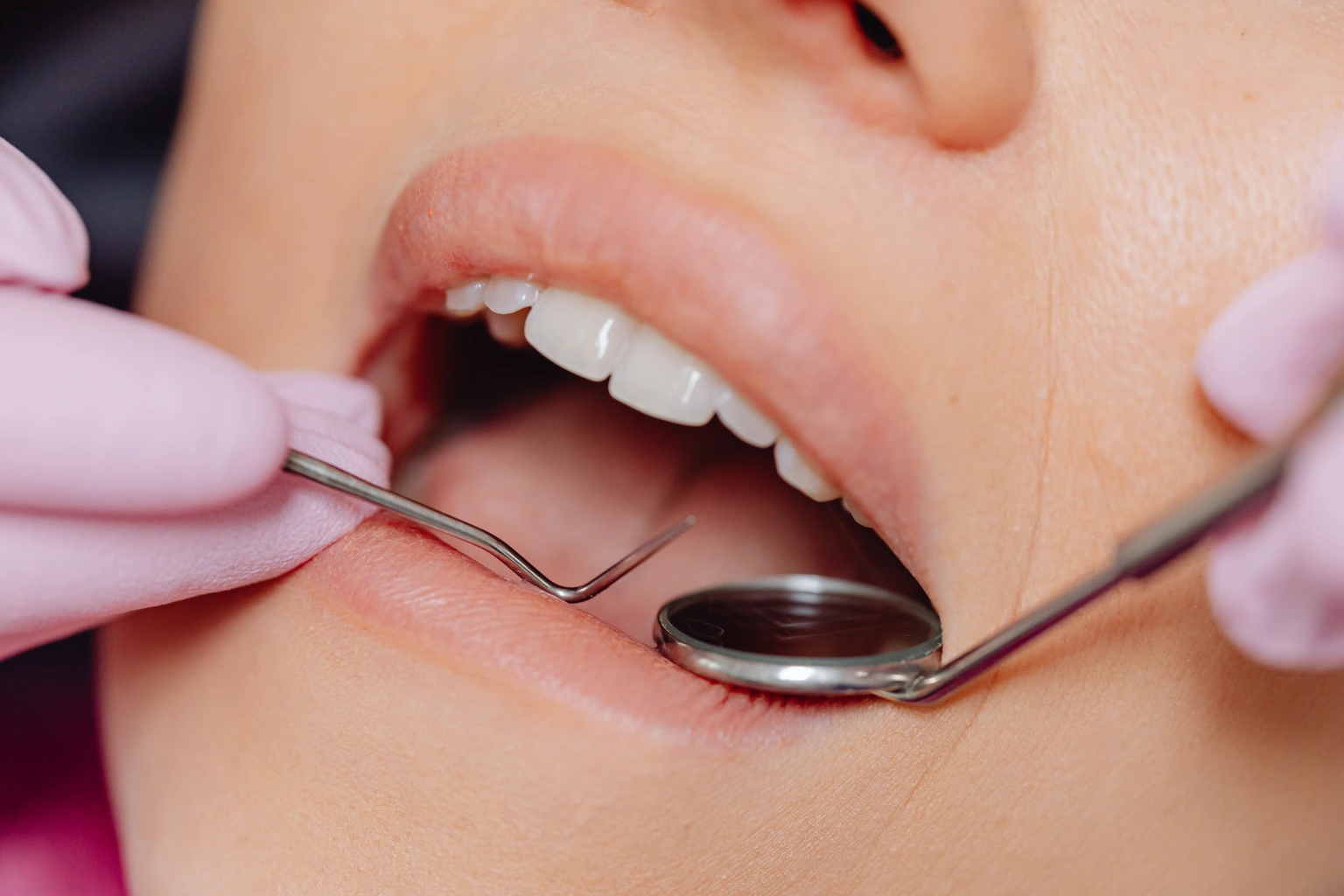
As we age, keeping our teeth and gums healthy becomes increasingly important. Nutrition plays a huge role in maintaining not just our overall health but specifically the strength and condition of our teeth and gums. For seniors, a well-balanced diet can make a significant difference in preventing common dental problems and improving quality of life. This post explores the foods that support healthy teeth and gums, helping older adults improve their oral health through smart food choices.
Older adults often face several dental challenges, including:
What we eat directly affects our oral health. A balanced diet rich in key nutrients supports not only general health but also strengthens teeth and gums. Poor nutrition can lead to weakened dental health, making it especially important for seniors to pay attention to what they eat. Nutritional status plays a vital role in maintaining good oral health throughout the aging process.
Calcium forms the foundation for strong teeth and bones. As we get older, our bodies may not absorb calcium as efficiently as before, making it even more important to include calcium-rich foods in our daily meals.
Vitamin D is crucial because it helps the body absorb and use calcium properly. Without enough vitamin D, even eating plenty of calcium-rich foods might not benefit your teeth much. Vitamin D for the elderly supports both oral and overall health.
A healthy diet should include nutrients that specifically support gum health. Antioxidants and certain vitamins help reduce inflammation and keep gum tissue healthy.
Adding crunchy vegetables and fruits to your meals benefits oral health in multiple ways. The fibrous texture of these foods helps clean teeth naturally and stimulates gums.
Whole grains form an important part of a balanced diet, providing energy and necessary nutrients that support overall health, including your teeth and gums.
Staying hydrated is especially important for maintaining oral health, particularly for seniors who might experience dry mouth. Certain foods can contribute to your daily fluid intake and help address this issue.
Keeping up with proper oral hygiene routines is fundamental to preventing gum disease.
Beyond good hygiene habits, what you eat plays a significant role in preventing gum disease. Oral health and nutrition are closely linked, especially for seniors.
Dry mouth, also called xerostomia, can stem from various factors, including medications and health conditions. This problem can make eating, swallowing, and speaking difficult, while also increasing cavity risk. Many seniors experience this condition, which can lead to serious dental issues if not addressed.
Several food-based approaches can help stimulate saliva production and reduce dry mouth symptoms.
Planning meals with your teeth and gums healthy in mind can make a big difference. Here are some meal ideas:
Creating simple, nutritious recipes can be a fun way to improve oral health. Consider trying:
If your diet alone isn’t meeting your nutritional needs, you might want to talk to your doctor about these supplements:
What are the best foods for strengthening teeth?
Foods high in calcium, such as dairy products and leafy greens, along with crunchy fruits and vegetables, are excellent for strengthening teeth. Proper nutrition plays a vital role in maintaining dental health for older adults.
What nutrients are essential for healthy gums?
Vitamin C and omega-3 fatty acids are particularly important for maintaining healthy gums and preventing gum disease. These nutrients help reduce inflammation and support gum health in seniors.
How can I manage dry mouth through diet?
You can help manage dry mouth by eating hydrating foods, drinking water frequently throughout the day, and including citrus fruits that stimulate saliva production. This is crucial for seniors as oral health leads to better overall health.
In summary, paying attention to oral health nutrition is incredibly important for seniors. Focusing on a balanced diet rich in calcium, vitamin D, and antioxidants can significantly improve dental health and prevent common issues like gum disease and tooth decay. Dental experts at the American Dental Association confirm that nutrition affects oral health in older adults significantly.
Including these nutritious foods in your daily meals not only strengthens your teeth but also boosts your overall health and well-being. Senior nutrition that supports oral health can make a significant difference in maintaining a healthy mouth.
For personalized advice that takes into account your specific health needs, talking to dental professionals is always a good idea. They can provide recommendations tailored to your situation. Remember that the path to healthy teeth and gums begins with the food choices you make every day.
A diet that supports oral health doesn’t need to be complicated or restrictive. By making small, consistent changes to include more tooth-friendly foods, seniors can enjoy better oral health and all the benefits that come with it, from comfortable eating to confident smiling. The connection between oral health and overall health is powerful, and it’s never too late to make positive changes that will benefit your teeth and gums for years to come. Regular dental check-ups are essential for seniors to maintain optimal oral health throughout their later years.
Written By Safia Sabry