
Highlights
As we grow older, our bodies change in many ways, including shifts in how we absorb and use nutrients. One mineral that becomes increasingly important as we age is zinc. For seniors, getting enough zinc can significantly improve immune function, help wounds heal faster, and even support brain health. This guide explores why zinc matters so much for older adults, how to make sure you’re getting enough, and practical ways to include this important mineral in your daily routine.
Zinc is a trace mineral that our bodies need in small amounts, but it plays an outsized role in many biological functions. Zinc is an essential mineral necessary for cell growth, immune function, protein synthesis, and wound healing. As we age, our bodies often become less efficient at absorbing zinc from food, which makes paying attention to zinc intake especially important for seniors. Zinc is a trace element that supports numerous biochemical processes throughout the body.
The importance of zinc for older adults can’t be overstated. With age comes a natural decline in immune system function, leaving seniors more vulnerable to infections and illnesses. Zinc helps strengthen the immune response, making it a key player in maintaining health for older adults. Beyond immunity, zinc also helps with healing, particularly important for seniors who might recover more slowly from injuries or surgeries due to age-related changes in their bodies. Proper zinc status is crucial for maintaining overall wellness in the aging population.
One of zinc’s most well-known roles is enhancing immune function. Research shows that having adequate zinc levels can help reduce the risk of respiratory infections and colds, which tend to hit older adults harder. Zinc supports both the development and function of immune cells that defend against harmful pathogens. For seniors looking to stay healthy year-round, maintaining proper zinc levels is a smart strategy. Studies have found that zinc supplementation may improve immune response in elderly individuals with previously low zinc status.
Zinc’s contribution to wound healing becomes especially valuable as we age. This mineral promotes cell division and protein synthesis, both necessary for repairing damaged skin and tissues. Seniors often face challenges with healing due to factors like reduced circulation or underlying health conditions. Having enough zinc can speed up recovery from cuts, scrapes, and surgical incisions, helping maintain skin health and integrity. Zinc plays a vital role in collagen formation, which is essential for wound repair.
Emerging studies suggest zinc may also play a role in brain health. Research has linked zinc deficiency to cognitive decline and memory problems in older adults. By maintaining healthy zinc levels, seniors might be supporting their brain health and potentially reducing the risk of age-related cognitive issues. While more research is needed, the connection between zinc and brain function adds another compelling reason for seniors to pay attention to this mineral. Zinc is an antioxidant that helps protect brain cells from oxidative stress.
How much zinc do seniors need? The Recommended Dietary Allowance (RDA) varies by gender. For older men, the recommendation is about 11 mg per day, while women need approximately 8 mg daily. However, these are just guidelines—individual needs can vary based on health status, medications, and dietary patterns. Some seniors may need more zinc than others, especially those with health conditions that affect nutrient absorption. The recommended daily intake of zinc should be carefully monitored in older adults.
Being aware of zinc deficiency symptoms is important. Common signs include:
Regular check-ups and blood tests can help identify deficiencies early, allowing for timely interventions before health problems develop. If you notice any of these symptoms, it’s worth discussing zinc levels with your healthcare provider. Zinc deficiency may contribute to decreased immunity in older adults and should be addressed promptly.
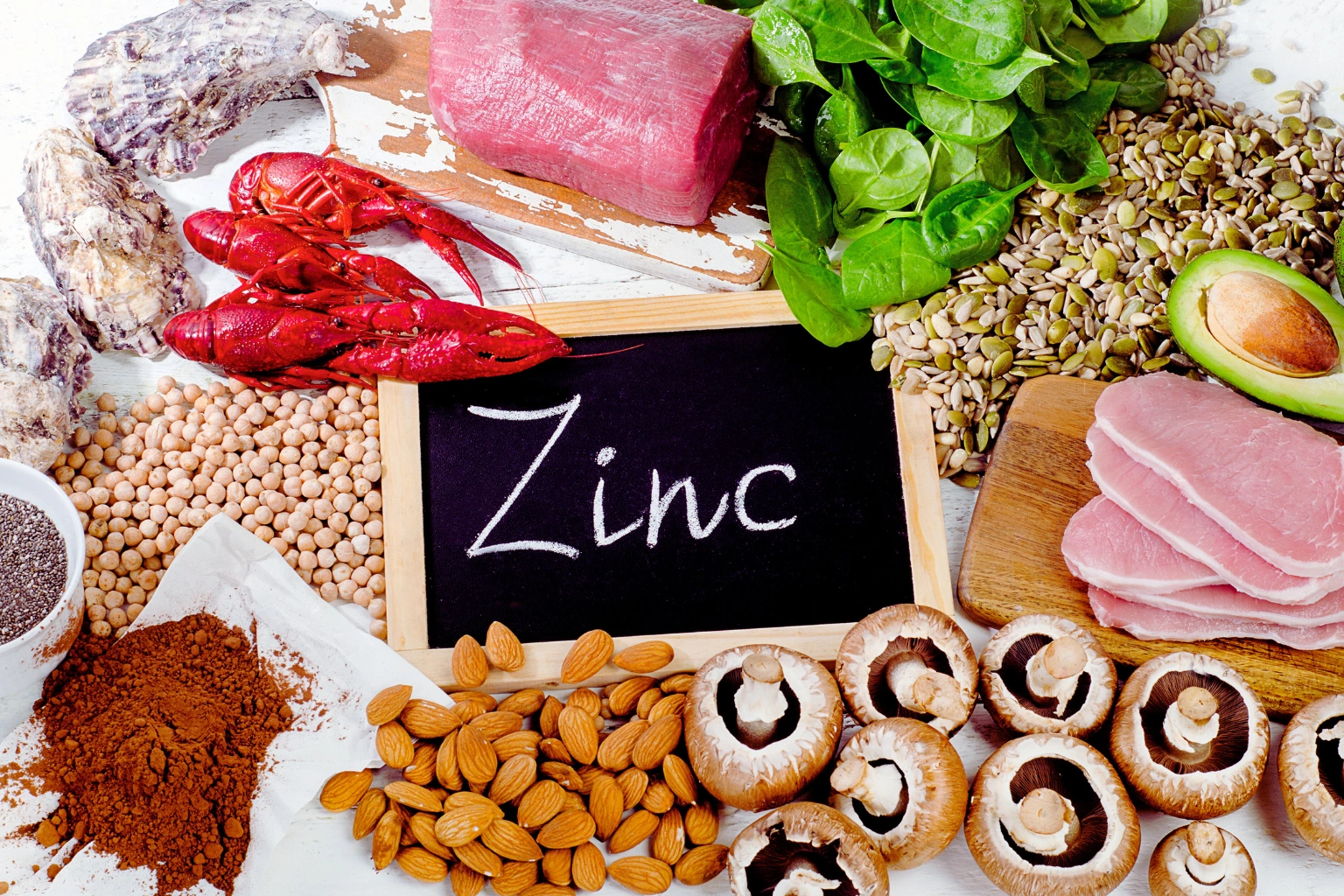
Getting zinc from food sources is generally the best approach. Here are some excellent sources to consider adding to your meals:
For seniors looking to boost zinc intake, simple meal adjustments can make a big difference. Try adding a handful of pumpkin seeds to your morning oatmeal, enjoying a bean-based soup for lunch, or preparing a seafood dinner once or twice a week. Even a modest serving of oysters delivers more than a day’s worth of zinc! Fortified breakfast cereals can also provide an additional amount of zinc for those who may not get enough zinc from other dietary sources.
While food sources are ideal, supplements can be helpful for seniors who struggle to meet their zinc needs through diet alone. Zinc supplements come in several forms, including zinc gluconate, zinc sulfate, and zinc citrate. When considering supplements, it’s important to talk with your doctor first. They can help determine if you need a supplement and recommend the right form and dosage based on your specific health situation and medication regimen. Taking a zinc supplement should be approached cautiously, as excess zinc can cause adverse effects.
Recent research has shown that zinc supplementation increased immune function in older adults with previously low zinc levels. A study from the Jean Mayer USDA Human Nutrition Research Center found that nursing home residents have low serum zinc levels, which may contribute to their increased susceptibility to infections. The effect of zinc supplementation on immune health appears most pronounced in those with zinc deficiency.
Serum zinc levels are an important indicator of zinc status in the body. When serum zinc concentration falls below normal ranges, the immune system becomes compromised. Studies suggest that zinc supplementation may reverse some of these effects by enhancing the activity of T-cells, which are crucial for fighting infections. The effect of zinc supplementation improved various markers of immune function in clinical trials with older adults.
One notable benefit of zinc for seniors is its potential role in managing age-related macular degeneration, a common cause of vision loss in older adults. Research has found that zinc supplementation, along with other antioxidants, may help slow the progression of this condition in certain individuals.
The recommended dosage of zinc for age-related macular degeneration is typically higher than the standard daily intake, but should only be taken under medical supervision. Zinc oxide is often the form used in studies related to eye health. If you’re concerned about your eye health, consulting with an ophthalmologist about the potential benefits of zinc and other micronutrients is advisable.
While zinc is beneficial, taking too much zinc can cause problems. Zinc toxicity can occur with excessive supplementation, leading to symptoms like nausea, vomiting, and impaired immune function. The upper limit for zinc intake is 40 mg daily for adults.
Excessive zinc intake over time can interfere with copper absorption, potentially leading to copper deficiency. This highlights why it’s crucial to use zinc supplements only as directed by healthcare providers. Zinc deficiency is rare in developed countries, but zinc toxicity can occur with improper supplementation. Most people can get adequate zinc through a balanced diet without risking toxicity.
Zinc can interact with certain medications, potentially affecting how well they work. For example, it may reduce how well your body absorbs antibiotics like tetracycline and quinolones. Taking zinc at the same time as these medications might make them less effective. Additionally, high doses of zinc can interfere with copper absorption, potentially leading to copper deficiency over time. The use of zinc supplements requires careful consideration of your medication regimen.
Before adding zinc supplements to your routine, talk with your healthcare provider, especially if you take multiple medications or have ongoing health conditions. Your doctor can review your current medications and help you determine the safest way to incorporate zinc, including the best timing to avoid unwanted interactions. This conversation is an important step toward safely improving your nutrition without compromising your current treatment plan. Many medication apps for seniors can help track potential interactions between supplements and prescription drugs.
At the cellular level, zinc plays critical roles in immune function. Cellular zinc levels affect how immune cells develop, differentiate, and function. When cellular zinc concentration falls below optimal levels, immune responses become compromised, particularly in older adults.
Research notes that zinc is involved in signaling between immune cells and helps regulate inflammation. Low levels of zinc can disrupt these processes, potentially contributing to the increased inflammation often observed in aging. Maintaining normal levels of cellular zinc through proper diet or supplementation may help support immune function as we age.
What are the zinc requirements for elderly individuals?
The RDA for elderly men is approximately 11 mg per day, and for women, it is around 8 mg. These amounts help maintain proper immune function and overall health. Older adults may need zinc supplements if blood tests indicate low serum zinc levels.
What are the best sources of zinc?
Zinc-rich foods include meat, seafood, legumes, nuts, dairy products, and whole grains. Oysters contain zinc in higher amounts than any other food, but regular consumption of a variety of these foods can help you meet your needs. Many foods contain zinc in varying amounts, making a diverse diet important.
How does zinc interact with medications?
Zinc can affect the absorption of certain medications, such as antibiotics. It’s best to consult with your healthcare provider for personalized guidance on timing your zinc intake to avoid these interactions. Oral zinc supplements should be taken at least 2 hours apart from certain medications.
What are the side effects of taking too much zinc?
Excessive zinc intake can cause nausea, diarrhea, and copper deficiency. This is why it’s important to stick to recommended dosages and talk with your doctor before starting supplements. Zinc can cause adverse effects when taken in amounts exceeding the upper limit of 40 mg daily.
Zinc plays a crucial role in supporting immunity and overall health for seniors. From boosting immune function to helping wounds heal faster and potentially supporting brain health, maintaining adequate zinc levels becomes increasingly important as we age. Whether through zinc-rich foods or carefully chosen supplements, ensuring you get enough of this mineral can help you stay healthier and more resilient.
Take a moment to think about your current zinc intake. Look at your typical meals and consider whether you’re regularly including zinc-rich foods. If you’re concerned about your levels, schedule a conversation with your healthcare provider about your nutritional needs. Small dietary changes can make a big difference in how you feel and how well your body functions.
The path to better health involves making informed choices about nutrition, and zinc is an important piece of that puzzle. By paying attention to this often-overlooked mineral, you’re taking a proactive step toward supporting your long-term health and wellbeing.
For more information about nutrition for seniors, check out resources like vitamin D for the elderly or learn about anti-inflammatory foods for seniors. You can also find detailed information about zinc from the National Institutes of Health Office of Dietary Supplements. Your health is truly your greatest asset—embrace it with knowledge and positive action!