
Highlights
Vitamin B12 deficiency is a crucial nutrient that many older adults don’t get enough of, affecting everything from their daily energy levels to long-term brain health. As we get older, our bodies become less efficient at absorbing this important vitamin, creating a perfect storm for deficiency. This comprehensive guide explores why B12 matters so much for older adults, how to spot the warning signs of low vitamin B12 levels, and practical ways to boost intake through both diet and supplements.
Vitamin B12, also known as cobalamin, is a water-soluble vitamin that plays several critical roles in the body. It helps with red blood cell formation, supports neurological function, and assists in DNA synthesis. For older adults specifically, maintaining adequate vitamin B12 levels isn’t just about physical health; it directly impacts cognitive function and energy production, two areas that significantly affect quality of life in older age.
The risk for vitamin B12 deficiency increases dramatically as we age, and there are several key causes of a vitamin B12 deficiency:
These factors combine to create a situation where even older adults who eat a seemingly balanced diet may still develop vitamin B12 deficiency over time.
Recognizing symptoms of vitamin B12 deficiency early can prevent more serious complications. Watch for these warning signs:
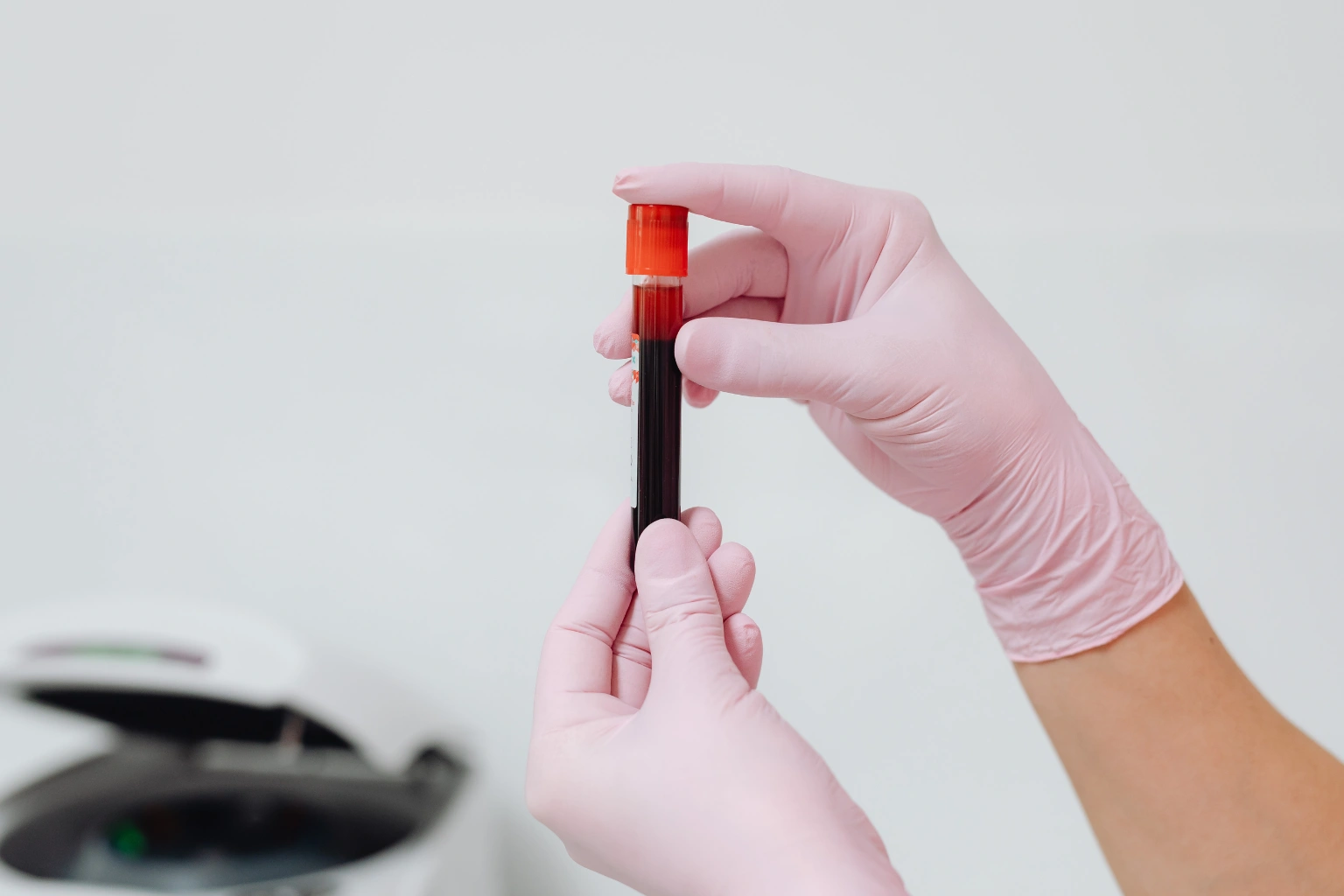
Catching symptoms of B12 deficiency early requires awareness. Older adults should pay attention to their energy levels, mood shifts, and cognitive function. Any noticeable changes warrant a conversation with a healthcare provider, who can order appropriate blood tests to check vitamin B12 status. Regular check-ups should include B12 screening, especially for those over 60.
Many people have a vitamin B12 deficiency without realizing it, so older adults may need to specifically request a vitamin B12 check because an older person might have clinically low vitamin B12 levels without having anemia or obvious symptoms.
The connection between B12 and brain health is particularly significant for older adults. Research shows that low vitamin B12 levels correlate with memory problems and cognitive decline. In some cases, what appears to be dementia may actually be partially caused by B12 deficiency in older people, and unlike true dementia, these cognitive symptoms can sometimes improve with proper B12 supplementation.
Long-term deficiency can cause vitamin b12 deficiency can cause damage to the protective coating around nerves (myelin sheath), affecting brain function and potentially contributing to permanent neurological changes if left untreated. This is why it’s important to be checked for vitamin B12 deficiency if experiencing cognitive symptoms.
B12 plays a fundamental role in energy metabolism at the cellular level. Without enough vitamin B12, older people often experience chronic fatigue that significantly impacts their daily activities and overall quality of life. This fatigue isn’t just about feeling tired; it can manifest as weakness, shortness of breath with minimal exertion, and a general lack of stamina that makes even simple tasks challenging.
For more information about managing fatigue in older adults, check out this helpful article on managing fatigue in elderly individuals.
One of the best ways to prevent B12 deficiency in older adults is through diet. Here are excellent food sources to include in senior meal planning:
For older adults following vegetarian or vegan diets, paying special attention to these fortified foods is particularly important since natural plant sources of B12 are essentially non-existent. Getting enough vitamin B12 from the diet alone can be challenging for those who don’t consume animal products.
The standard recommended amount of B12 for adults is 2.4 micrograms per day. However, many experts suggest that older adults aim for slightly higher amounts due to decreased absorption rates. This doesn’t mean eating enormous amounts of B12-rich foods; rather, it highlights the importance of consistent intake and possibly supplementation.
Since we know vitamin B12 is necessary for proper health, ensuring adequate intake becomes increasingly important as we age. For more information about senior nutrition needs, consider reading about protein requirements for older adults.
When dietary sources aren’t enough, taking vitamin B12 supplements can effectively maintain healthy B12 levels. Common options include:
The ability to absorb vitamin B12 decreases with older age, which is why supplements are quite common in older adults. For comprehensive guidance on supplements beneficial for seniors, you might find this supplement guide for seniors particularly helpful.
For most older people with mild vitamin B12 deficiency or as a preventative measure, a daily B12 supplement containing 500 to 1000 micrograms of B12 is often recommended. This higher amount compensates for reduced vitamin B12 absorption that comes with age.
However, individual needs vary greatly. Older adults with pernicious anemia (an autoimmune condition that prevents B12 absorption) or those who’ve had certain types of gastric surgery may need higher doses of vitamin B12 or regular B12 shots.
Vitamin B12 is generally considered safe, even at high doses, as excess amounts are typically excreted in urine. However, some people may experience mild side effects from supplements, including:
These symptoms are usually mild and temporary. If they persist or worsen, it’s best to consult with a healthcare provider about adjusting the dosage or trying a different form of B12.
A good thing about vitamin B12 treatment is that it’s generally very safe, even when taking vitamin B12 supplements over long periods.
Once it’s definitely confirmed that a deficiency exists, treatment for a significant vitamin B12 deficiency involves either oral supplements or regular vitamin B12 injections, depending on the severity and cause of the deficiency.
For those who cannot absorb B12 properly, regular vitamin B12 injections may be necessary. These scheduled vitamin B12 shots bypass the digestive system entirely, delivering the vitamin directly into the bloodstream.
For milder cases, oral B12 supplement options can work well, but the doctor may recommend a higher dose to prevent future vitamin B12 deficiency. The treatment approach depends on whether the lack of vitamin B12 is due to dietary insufficiency or an inability to absorb the vitamin.
It’s worth noting that folate deficiency can sometimes mask the symptoms of vitamin B12 deficiency. Both nutrients are involved in red blood cell production, but only B12 deficiency causes the neurological symptoms. This is why older adults need to have both levels checked when vitamin deficiency is suspected.
Taking folate supplements without addressing an underlying B12 deficiency can actually be harmful, as it may improve the anemia while allowing neurological damage to progress unnoticed. This is one reason why it’s important to have your doctor check your vitamin B12 status before beginning any supplement regimen.
What are the signs of vitamin b12 deficiency? The most common symptoms of vitamin B12 deficiency include unusual fatigue, memory problems, difficulty concentrating, mood changes like depression or irritability, and physical symptoms such as tingling or numbness in the hands and feet. Some older adults may also experience balance problems, a sore tongue, or anemia symptoms, such as weakness and pale skin.
What are the best B12 supplements for older adults? For older adults with normal digestion, standard oral supplements often work well. However, those with absorption issues may benefit more from sublingual (under-the-tongue) tablets that bypass the digestive system. In cases of severe deficiency or absorption problems, B12 injections prescribed by a doctor provide the most direct delivery method.
What foods are high in B12? Animal products contain the most naturally occurring B12, including organ meats (especially liver), shellfish, fish, beef, pork, poultry, eggs, and dairy products. For vegetarians and vegans, foods fortified with vitamin b12 like breakfast cereals, nutritional yeast, and plant-based milks, can provide significant amounts of this important vitamin.
Vitamin B12 deficiency is a common but often overlooked health issue for older adults. Its effects can be far-reaching, from sapping energy levels to contributing to cognitive decline that impacts independence and quality of life. The good news is that with proper awareness, regular screening, and appropriate intervention, B12 deficiency in older people is entirely manageable.
For older adults, a proactive approach works best: incorporate plenty of B12-rich foods into daily meals, consider a quality supplement (especially if you have digestive issues or follow a plant-based diet), and discuss B12 testing with your healthcare provider during regular check-ups.
Don’t dismiss symptoms like persistent fatigue or memory problems as “just part of getting older”; they could be signs of a treatable vitamin B12 deficiency. By addressing this common nutritional gap, older adults can maintain better energy, sharper thinking, and improved overall health well into their later years.
Vitamin B12 deficiency is a common cause of vitamin B12 deficiency in older adults, but the lack of vitamin B12 can be effectively treated once diagnosed. If you suspect an older person had a recent decline that might be related to a vitamin deficiency, don’t hesitate to speak with a doctor. A simple blood test can confirm the level of vitamin B12, and addressing any deficiency early can prevent the development of a serious deficiency with more severe complications.
For additional information about vitamin B12 deficiency, you can learn more from reliable sources like the Cleveland Clinic’s guide to B12 deficiency or Our Parents’ overview of B12 deficiency in seniors.